






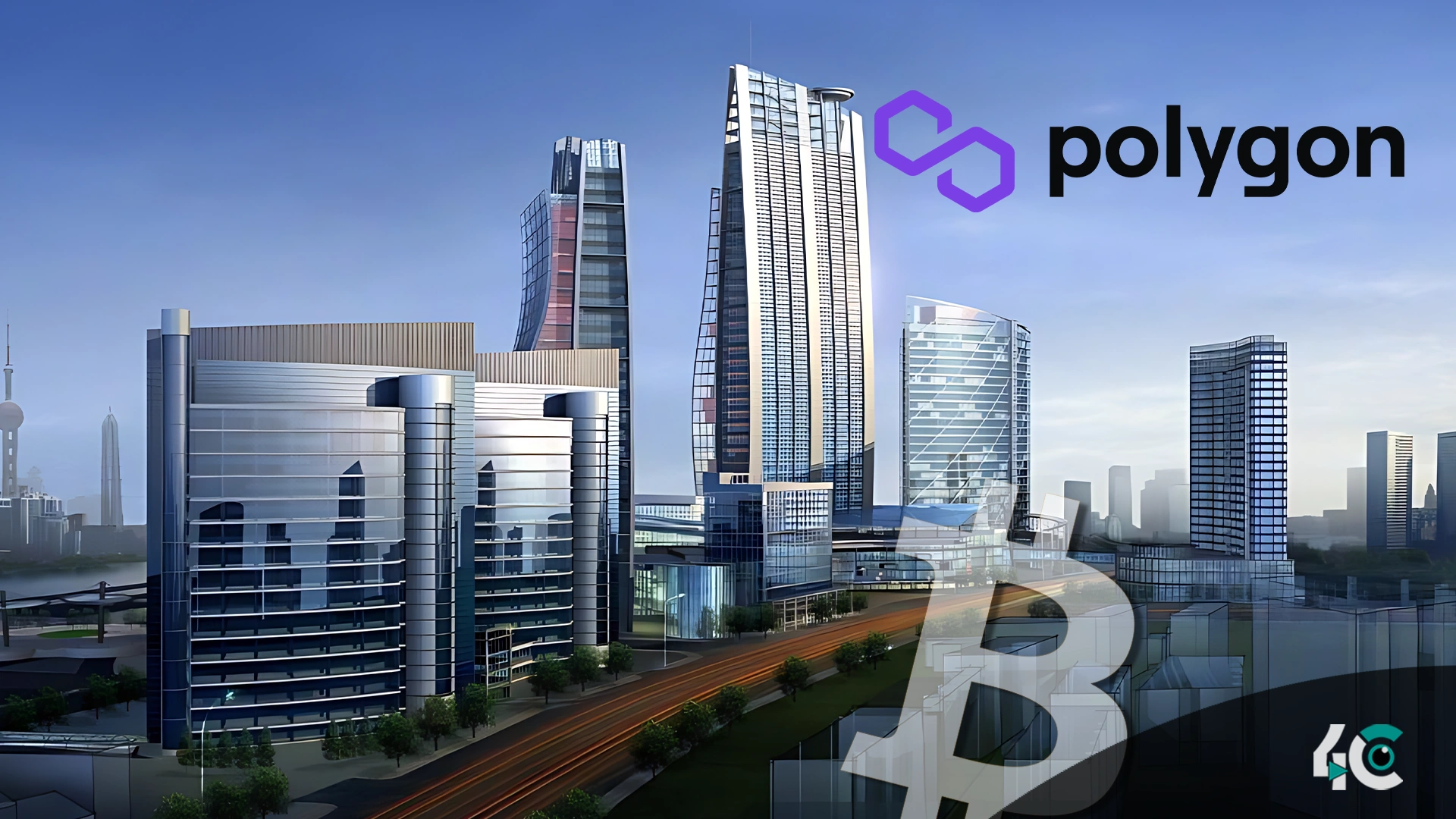

Long beset with inefficiencies, high transaction costs, and liquidity issues, the real estate sector is changing significantly with tokenizing. Blockchain technology removes middlemen and lowers financial obstacles, therefore streamlining property investing, according to Polygon CEO Mark Boiron.
Tokenizing real-world assets (RWA) would, Boiron underlined, erase the conventional illiquidity discount linked with real estate. Tokenization speeds money and improves asset valuation by allowing fractional ownership and secondary market trade.
One shining example is the $220 million commercial real estate development underway in Istanbul, Lumia Towers. Leveraging Polygon’s blockchain technology, this ambitious development tokenized its assets, therefore proving the useful application of blockchain in real estate.
Global Real Estate Tokenization Adoption
Blockchain integration in real estate is becoming really popular all around. Many businesses are starting this change:
Introduced tokenized mortgage solutions, allowing equity rights to be fractionalized and sold, helps homeownership to be more affordable in the United States.
We developed a tokenization system for European Union real estate transactions to enable on-chain transfer of property equity rights, thereby modernizing real estate transactions.
United Arab Emirates: As developers aggressively investigate blockchain-based finance options, the UAE is becoming a center for tokenized real estate. Further including digital currencies in the market, stablecoin issuer Tether teamed with Reelly Tech in February 2025 to enable USDT-based real estate transactions.
Future Possibilities and Regulatory Obstacles
Real estate tokenization presents legal difficulties even with its promise. Boiron underlined the requirement of governments getting at ease with public, permissionless blockchain networks before general acceptance could take place. Authorities are positioning the sector for explosive expansion as they refine laws on digital asset ownership and transactions.
Future property investment is progressively migrating on-chain as blockchain makes real estate more liquid, accessible, and affordable. The ongoing spread of tokenization points to a fresh chapter for real estate markets all over.