






















Visa Introduces USDC Settlements for U.S. Financial Firms
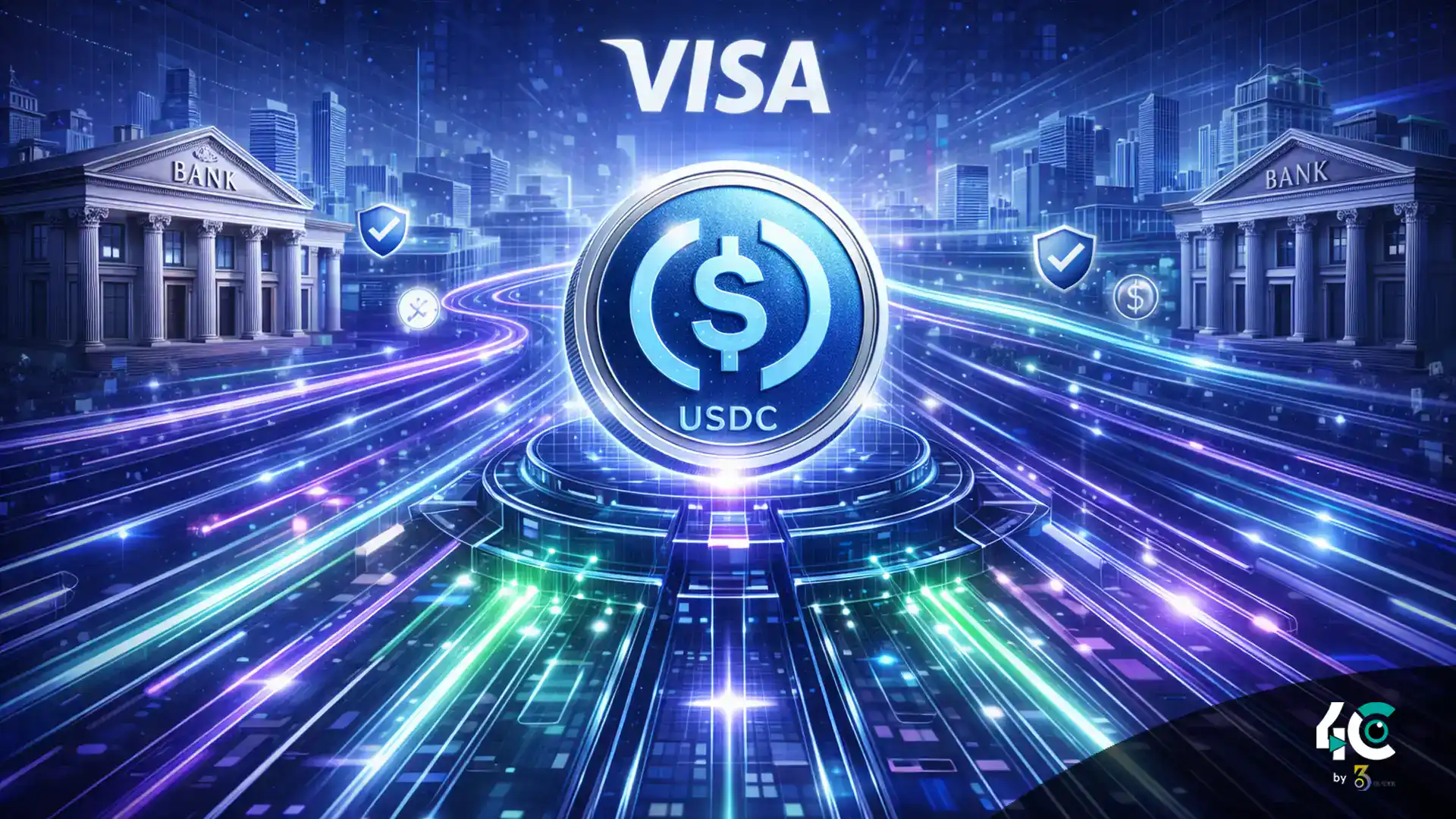
Payment technology leader Visa has launched USDC settlement services for certain banks in the United States. This stablecoin crypto payment solution is aimed at helping banks use USDC in their operations.
Cross River Bank and Lead Bank are the first participants already using USDC for settlement on the Solana blockchain, with a broader rollout expected in 2026.
The development comes as Circle launched the public testnet for its Arc blockchain layer-1 platform, which already has over 100 partners, including Visa, Mastercard, BlackRock, and Goldman Sachs. Arc is a design partner for Visa and offers the scalability and performance needed to bolster global operations.
Visa’s Plan for Stablecoin Payments
Visa intends to run a node on the blockchain and fully back USDC transactions through Arc on its network.
Rubail Birwadker, Global Head of Growth Products and Strategic Partnerships at Visa, stated:
“Financial institutions are not just asking about stablecoin settlement—they’re preparing to use it.”
Banks want faster, programmable settlement options that integrate seamlessly into existing treasury operations.
Also Read : SEC Leveraged ETF Warning Shocks Market as Regulators Crack Down on 3–5x Crypto Exposure
Stablecoins as a Strategic Necessity
Visa’s USDC initiative in the U.S. is part of a broader strategy to upgrade payment structures. The company also launched a Global Stablecoins Advisory Practice to help banks, merchants, and fintechs design, launch, and manage stablecoin products.
The adoption of USDC settlement follows Visa’s successful expansions across Central and Eastern Europe, the Middle East, and Africa, supported by a partnership with crypto infrastructure firm Aquanow to reduce transaction costs and settlement delays.
Visa is testing fiat-to-USDC payouts sent directly to user wallets. A broader rollout is planned for 2026, with access eventually expanding to more partners.
Significance of Visa USDC Settlement
The new Visa USDC settlement service paves the way for blockchain-based payments to become a core function of traditional finance platforms.
Key benefits include:
- Faster transactions
- Programmable payments
- Lower costs for banks
- Enhanced treasury management
This move positions Visa at the forefront of digital asset adoption in banking, offering U.S. financial institutions a regulated, efficient, and innovative solution for future payments.