


















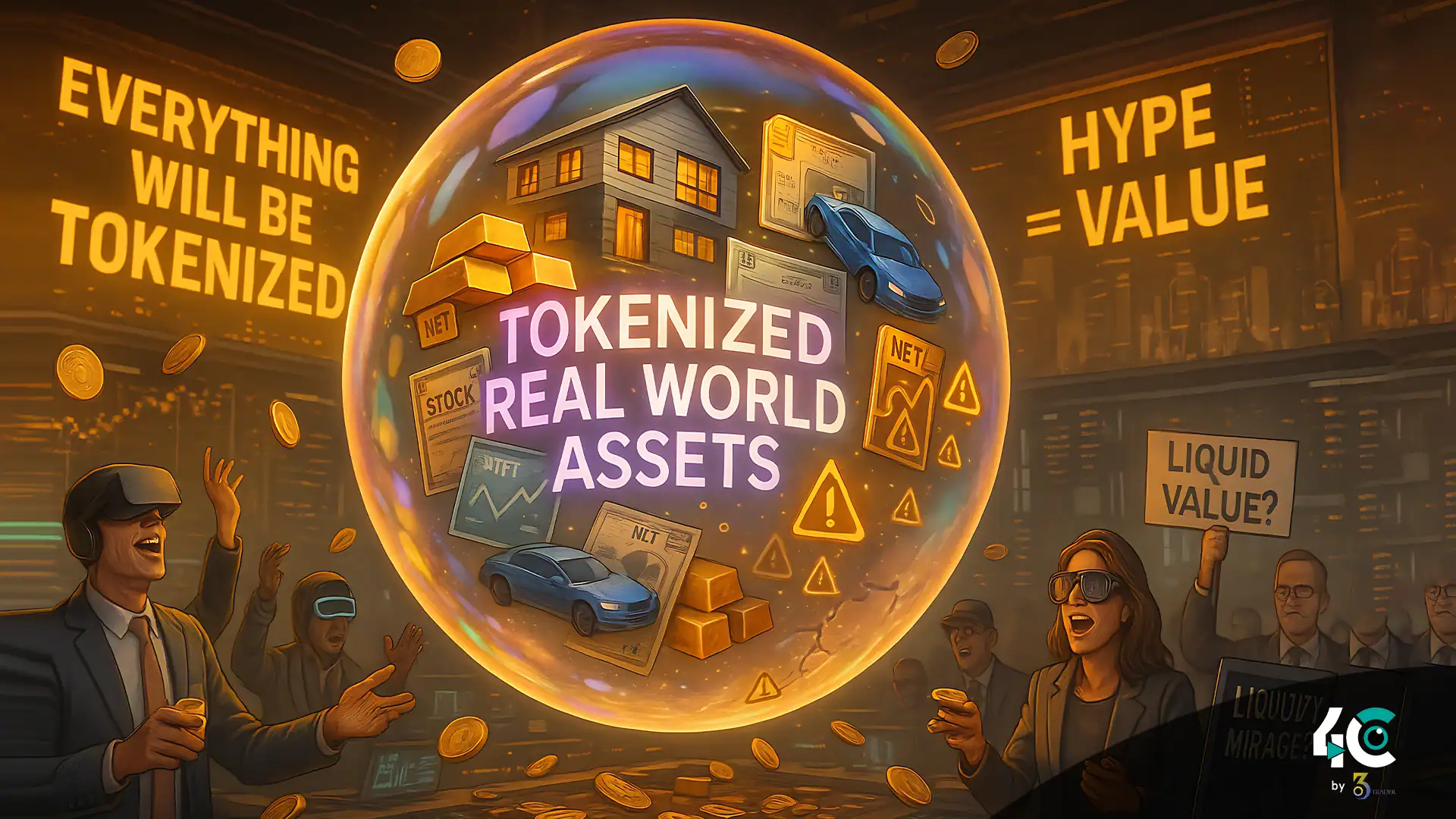

The RWA Fantasy vs. Reality
The Promise
- Make private equity, real estate, and commodities publicly available
- “Unlock trillions of idle assets” via blockchain efficiency
- “Daily and constant trading” of traditionally illiquid assets
The Reality
- Tokenizing an asset doesn’t make it liquid
- Ownership claims (e.g., tokenized skyscrapers) are legally unclear
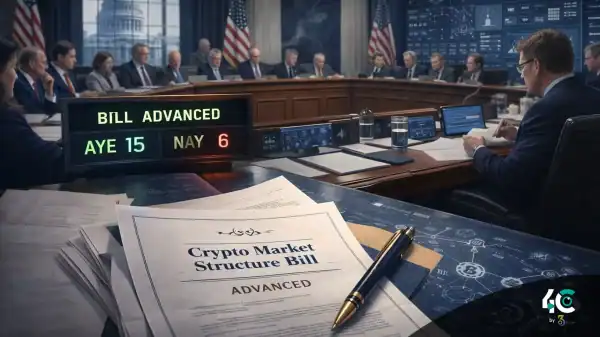
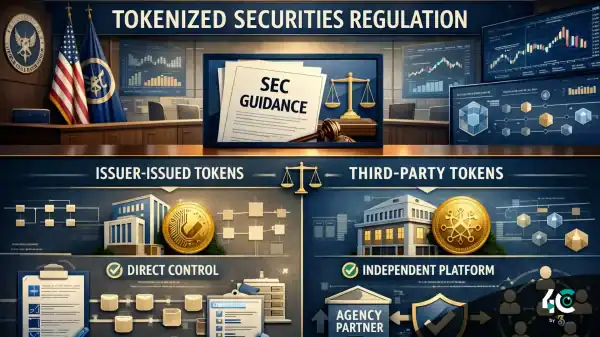
- Regulators are watching closely and crackdowns are likely
Here’s Why the RWA Boom Is a Bubble
1. The Liquidity Mirage
- Tokenizing a $10M building doesn’t magically generate buyers
- Most RWA platforms have zero secondary market depth
- Example: Homes that are tokenized often trade at spreads over 50%
2. The Regulatory Time Bomb
- SEC Chair Gary Gensler warned: “A lot of tokenized securities are not compliant”
- Legal reports show victims of crypto fraud are trying to restructure to avoid lawsuits
- Projects like Ondo Finance ($18M) and Gymvestor ($7M) have surfaced with legal and compliance challenges
- If enforcement hits, RWA trading could freeze overnight
3. The Custody Problem
- Who holds the deed to that tokenized warehouse?
- Off-chain assets bring off-chain risks—theft, fraud, or bankruptcy
- The FTX collapse showed that “backed by real assets” means nothing if the custodian fails
How the RWA Disaster Is Coming
- A major tokenized asset fails to deliver (e.g., a real estate–backed stablecoin)
- Investors can’t redeem their tokens
- The SEC shuts down large platforms
- The entire RWA narrative collapses
Who’s Pushing This Bubble?
- Venture capitalists offloading illiquid private bets onto retail investors
- Crypto exchanges creating artificial markets to charge fees
- Shady projects using RWAs to mask securities fraud
How to Avoid Getting Wrecked
- Assume all RWAs are illiquid until proven otherwise
- Demand audited proof of asset backing—don’t trust marketing promises
- Only invest in core crypto assets like Bitcoin (BTC) and Ethereum (ETH) until regulatory clarity emerges
- Expect RWA project failures throughout 2024 & 2025
The Bottom Line
RWAs are just the 2008 financial crisis with extra steps—there’s nothing exciting here.