























Tether’s QVAC Health Launches Dark Age of Wellness Data Control Involving Dispute
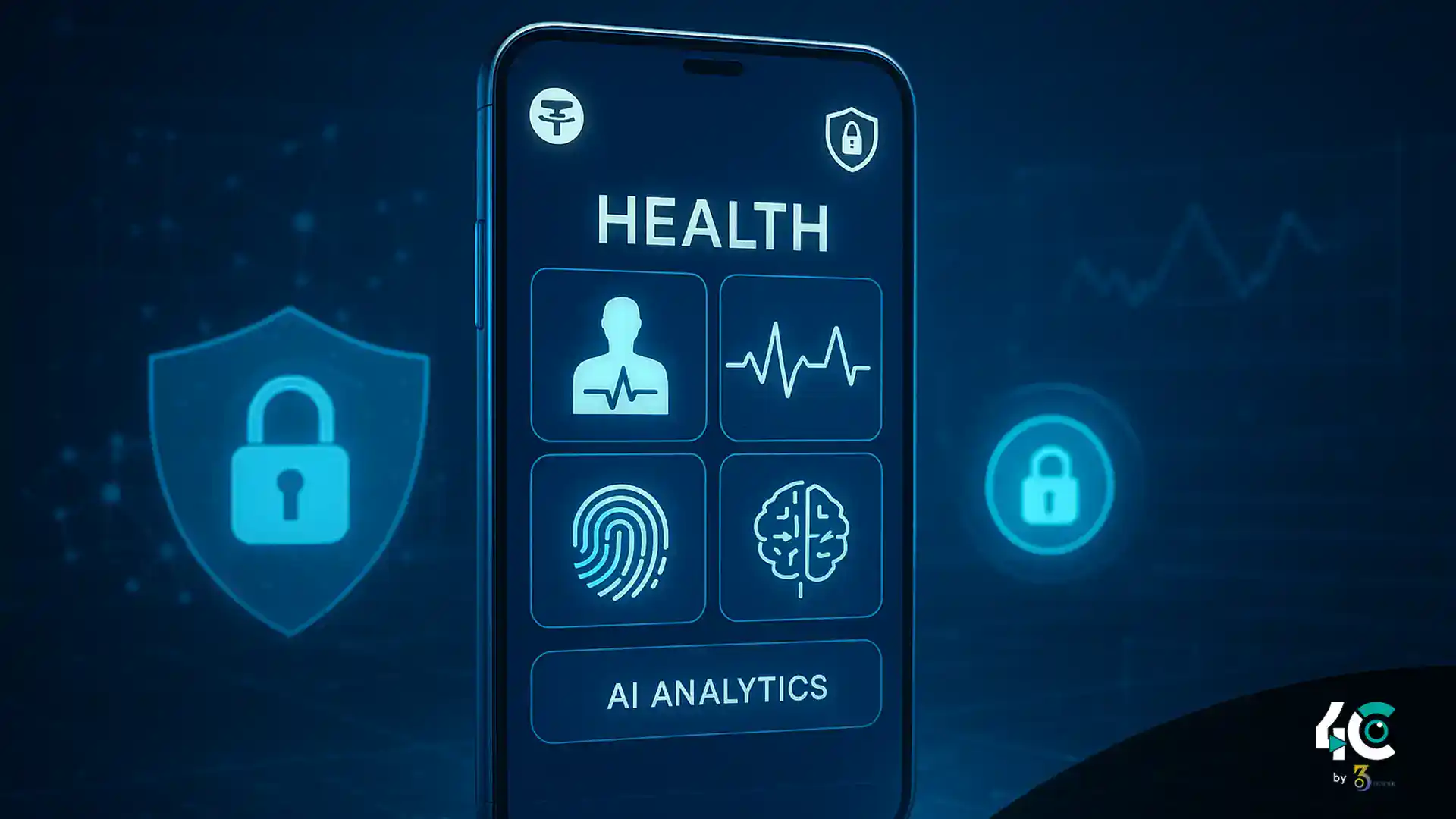
Tether has officially entered the health tech space with the launch of QVAC Health, which offers a privacy-centric wearables platform that combines data, apps, and on-device AI in one encrypted wellness interface. QVAC Health gives users control of their biometrics without dependence on the cloud. This is in stark contrast to today’s data-hungry digital environment.
QVAC Health Stores Data on Devices and Not in the Cloud
The privacy-focused technology that underpins QVAC Health integrates data from:
—all without relaying sensitive information to external servers.
Instead of cloud processing, the platform uses:
- Offline, on-device AI analysis
- Peer-to-peer model downloads
- End-to-end encrypted local storage
It ensures that a user’s activity logs, nutrition history, medication tracking, symptoms, and wellness patterns stay on their device.
Also Read : Europe Divided as EU Chat Control Regulation Surges Forward: Privacy vs. Protection Clash Intensifies
AI-Powered Meal Analysis Without Cloud Exposure
The QVAC Health application comes with tools that estimate calories and other macronutrients from photos of your meals. Data from various wearables is combined to depict correlations in these insights:
- Sleep
- Recovery
- Heart rate patterns
- Nutrient trends
- Overall activity
The platform’s main goal is to ensure privacy with no exceptions.
Tether Push Toward Privacy: “A Neutral Space For Wellness Data”
Tether CEO Paolo Ardoino stated that QVAC Health is a “neutral ground for wellness data” and focuses on privacy-preserving intelligence.
Coming updates will strengthen the offline-first ecosystem:
- Direct Bluetooth LE access to wearables
- No third-party APIs
- No manufacturer cloud dependencies
The Tether Data QVAC initiative is behind this direction. Further, it is building decentralized, device-based AI systems created to run without Big Tech infrastructure.
The Exploding Wearables Market and Why Tether Wants In
The global fitness-tracker sector is booming. As of 2024, it was worth $52.29 billion, and reports expect growth to almost $190 billion by 2032.
Major players include:
But Tether is creating its own unique space by focusing on privacy-first wellness intelligence rather than hardware.
Crypto and tech companies are increasingly embracing on-device AI to curb privacy threats.
AI has enhanced harvesting of data at scale, raising major concerns about surveillance.
Ardoino argues that the only effective guard against mass data abuse is on-device AI.
Experts Warn of Quantum and AI Data Risks
Former White House adviser David Holtzman warned that:
- AI can rapidly correlate behavioral and transactional data.
- Future quantum computers may break today’s encryption.
- Centralized databases create catastrophic risk points.
He believes decentralized systems will be essential in the upcoming age of digital vulnerabilities, using the QVAC model.
Crypto Industry Introduces Fresh Innovations For Privacy
In line with this trend, the crypto ecosystem is also making progress.
Vitalik Buterin’s “Pluralistic Identity” Vision
Ethereum co-founder Vitalik Buterin proposed a new model enabling users to verify identity and access services without giving away excessive personal information.
Circle’s USDCx: A Privacy-Enhanced Stablecoin
According to Fortune, Circle is developing USDCx in collaboration with Aleo, enabling bank-grade private transactions for institutions.
Renewed Interest in Privacy Coins
Concerns over surveillance and invasive ads are pushing users back toward privacy coins like Zcash.
Tether Positions QVAC Health as the Future of Private Health and AI-Driven Wellness
Tether is reinventing wellness platforms so they’re private, decentralized, and user-controlled through encrypted data aggregation and offline AI analysis. Due to increased worries around data exposure, QVAC Health’s privacy-driven, on-device AI may change the game for personal health technology.