






















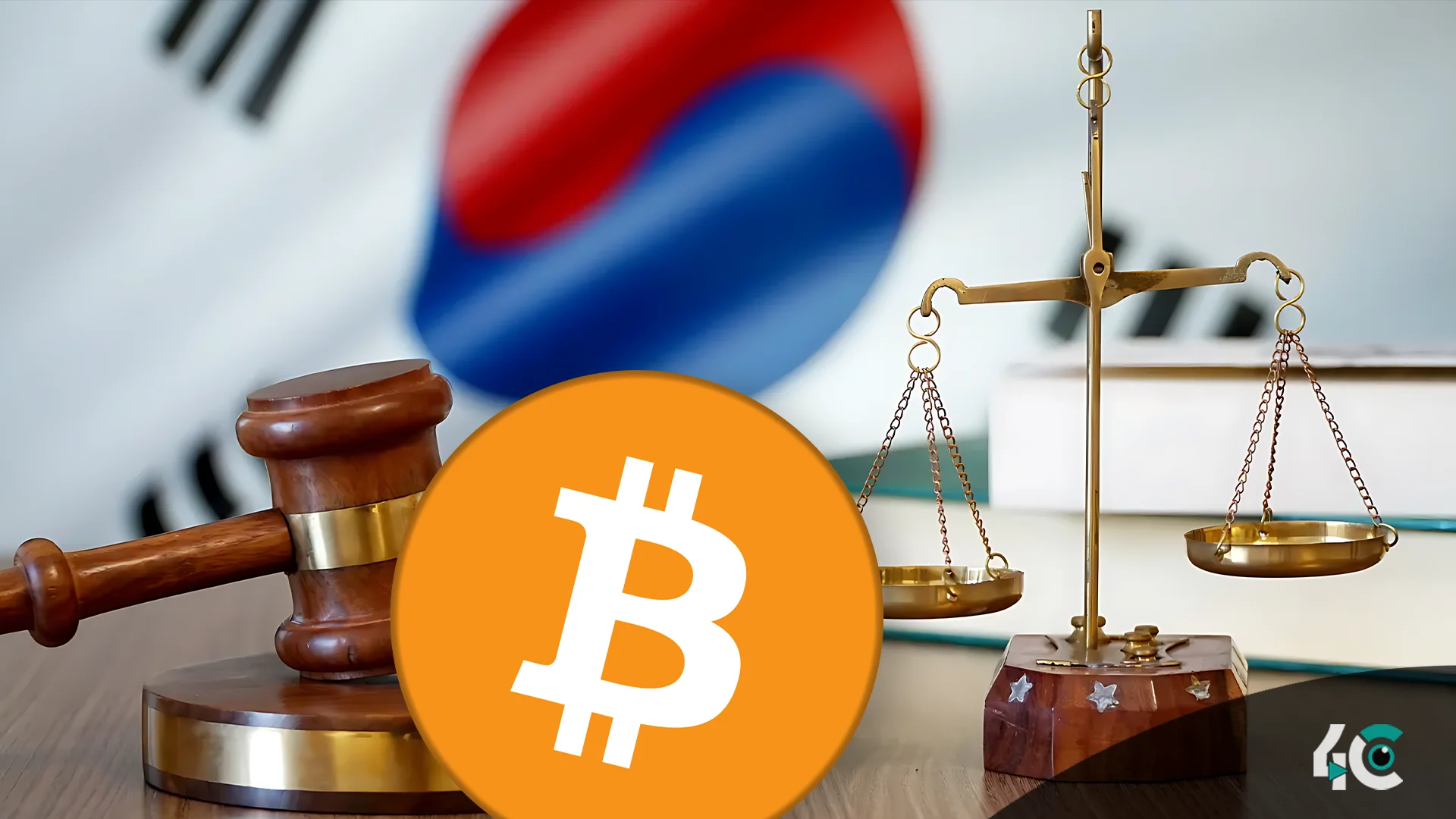

Kim Nam-kuk, a South Korean legislator, was cleared of concealing cryptocurrency holdings. The court ruled that he was not required to reveal his assets under the country’s current rules.
On February 10, Judge Jeong Woo-Yong of the Southern Seoul District Court dismissed allegations that Kim intentionally concealed his cryptocurrency holdings to hinder the National Assembly’s Ethics Committee’s financial review. The case focused on whether Kim’s actions misrepresented his total wealth and if his unreported interests constituted a conflict of interest.
Prosecutors claimed Kim moved a major amount of his digital assets before South Korea introduced the Financial Action Task Force’s (FATF) “Travel Rule,” which requires cryptocurrency holdings to be disclosed. They claimed that in 2021, he erroneously disclosed his total assets as 1.2 billion won ($834,000), when his true holdings comprised roughly 9.9 billion won ($6.8 million) in bitcoin. Prosecutors cited instances in which Kim reportedly transferred funds between his cryptocurrency and bank accounts just before the annual financial reporting deadline.
Despite these charges, the court decided in Kim’s favor, finding that virtual assets were exempt from statutory disclosure under South Korea’s Public Service Ethics Act at the time. Judge Jeong determined that there was insufficient evidence to show that Kim willfully misled authorities or impeded the Ethics Committee’s review. The decision underlined that, while Kim’s declared assets were incorrect, they did not constitute a criminal violation under current standards.
To avoid political repercussions, Kim resigned from the Democratic Party following the issue involving his cryptocurrency dealings. Critics have questioned if his personal investments influenced his legislative decisions, particularly his vote to postpone a proposed 20% tax on bitcoin gains. However, Kim has continuously denied any misconduct, claiming that he behaved within the law.
Prosecutors may appeal despite the initial ruling’s acquittal, reviving the debate over parliamentarians’ financial transparency in the cryptocurrency era. Meanwhile, South Korea is strengthening its regulatory framework for digital assets, including tougher surveillance of crypto-related actions by public authorities.