
























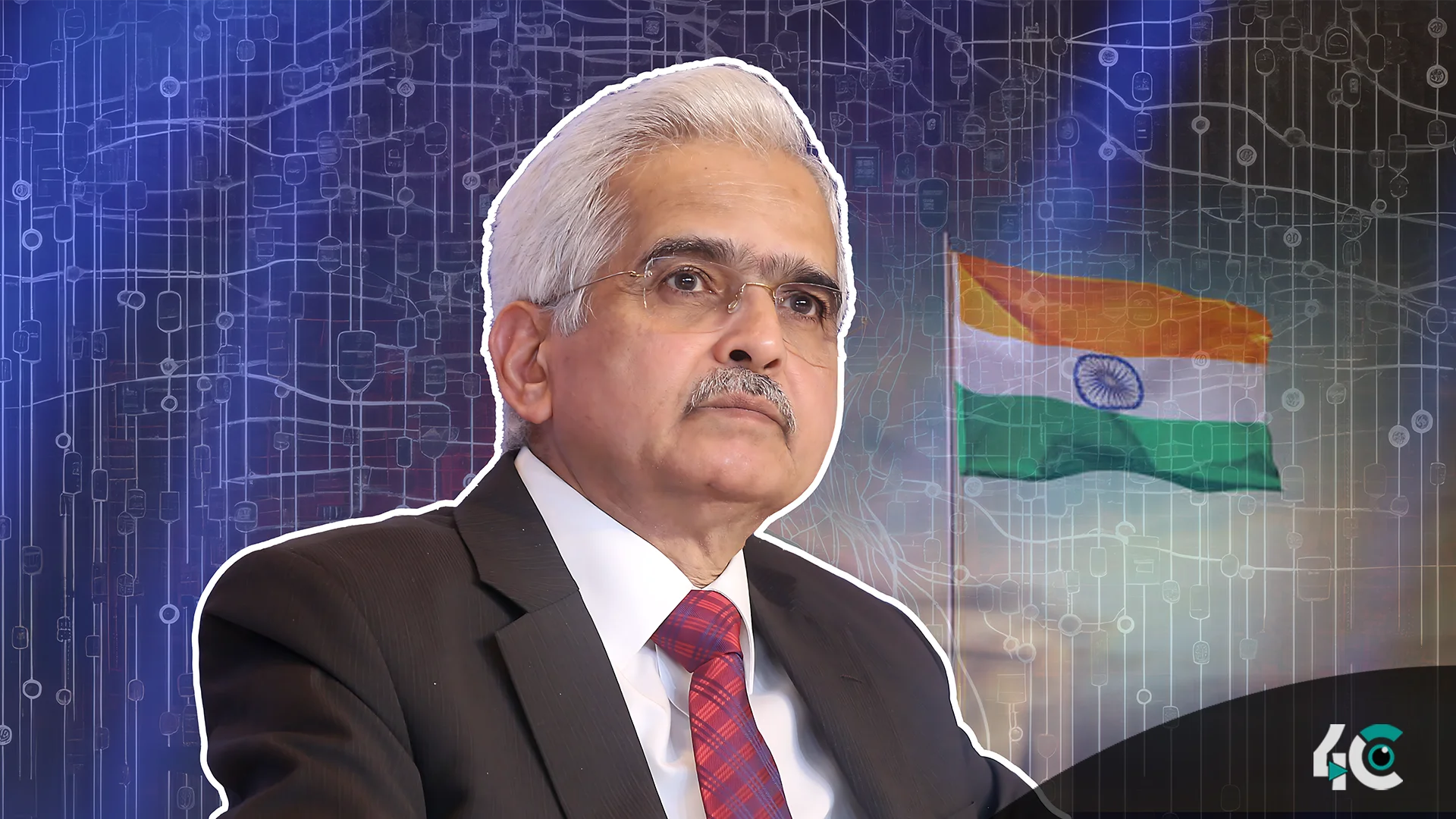

RBI Governor Notes AI’s Affect on Financial Stability
Shaktikanta Das, the Governor of the Reserve Bank of India (RBI), warned in a recent address on the rising application of artificial intelligence (AI) and machine learning in financial services. Speaking on an occasion in New Delhi on October 14, 2024, Das underlined the possible risks artificial intelligence might provide for the stability of the financial sector.
1. Concentration hazards resulting from AI predominate behavior
Das pointed out that a small number of powerful companies oversee a substantial share of artificial intelligence technology. This can cause the financial sector’s risk concentration to be high. Should these artificial intelligence systems fail or cause disturbance, the whole financial system would suffer from domino effects. The strong reliance on a small number of AI technology suppliers increases the likelihood of systemic hazards, therefore exposing the industry to significant upheavals.
2. The banking industry has lately revealed fresh weaknesses.
AI presents new difficulties even if it delivers major advantages such better customer service and cost savings. Das advised that growing reliance on artificial intelligence would cause data breaches and cyberattacks to increase. Furthermore, the “opacity” of AI-driven algorithms makes audit of these systems challenging, which raises questions regarding the erratic impact artificial intelligence might have on the financial markets.
3. Worldwide Concerns Regarding Artificial Intelligence in Banking
The hazards discussed by Das reflect those shared by other central banks and financial institutions all across. Global authorities have labeled artificial intelligence as a possible danger to financial stability, noting that mass use of this technology might cause herd behavior, market manipulation, and other disruptive events.
4. Demand risk reduction
Das underlined the need of appropriate risk management techniques to help to reduce the hazards connected with artificial intelligence. Financial institutions must set thorough policies to protect against any artificial intelligence breakdowns. He exhorted authorities and banks to cooperate to create better systems that would let the financial industry gain from artificial intelligence without endangering its stability.
Finally, central banks, authorities, and financial institutions have to cooperate as artificial intelligence keeps changing the financial scene to handle new hazards. Through this, they can guarantee that, in front of technological developments, the financial system stays strong and stable.