
























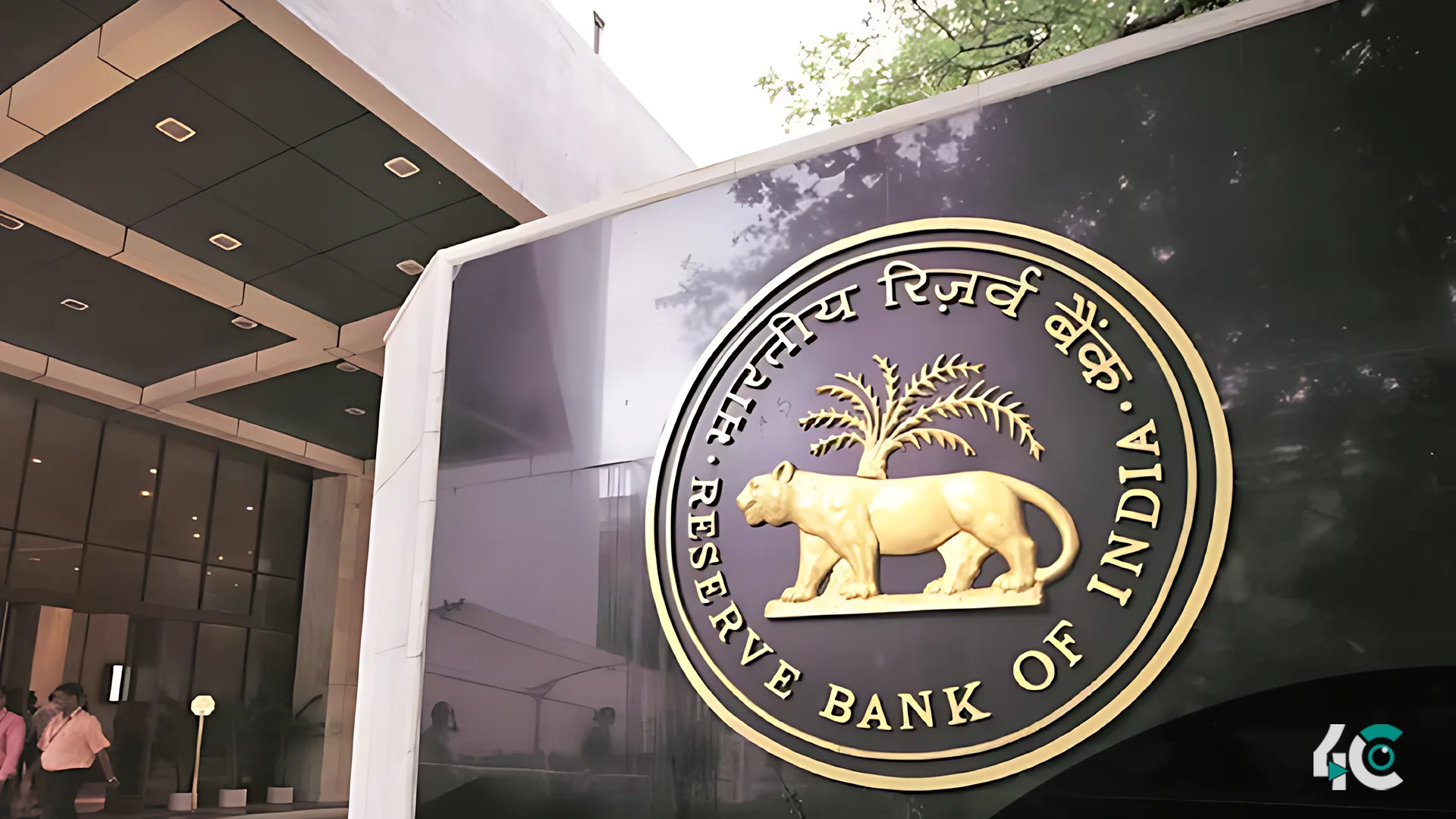

The Reserve Bank of India (RBI) is developing a cross-border payment system to enable faster and more efficient financial transactions. The program aims to deepen collaborations with nations in Asia and the Middle East, offering instant settlement capabilities and improving cross-border financial connectivity. We are expanding existing agreements with Sri Lanka, Bhutan, and Nepal to include the United Arab Emirates (UAE), thereby enhancing India’s regional financial relations.
One notable aspect of this project is the use of central bank digital currencies (CBDCs) as the principal settlement method. The Reserve Bank has indicated that the Reserve Bank will expand the use of India’s digital rupee beyond bank-to-bank transactions in the future. However, the timescale for a consumer-facing CBDC is unknown, as India favors a careful and deliberate approach to digital currency development.
India began exploring CBDCs in 2020, with pilot trials starting in 2022. By August 2024, the digital rupee had attracted around 5 million users through its test program. RBI Governor Shaktikanta Das has underlined the necessity of fine-tuning the digital rupee’s operation before broadening its reach, concentrating on aspects like offline capabilities to improve accessibility in rural areas with limited online infrastructure.
One of the RBI’s long-term objectives is to ensure CBDC interoperability between nations. By implementing a “plug-and-play” concept, the Reserve Bank hopes to facilitate seamless foreign transactions, encouraging more interconnected financial networks. This emphasis on interoperability is consistent with global trends, since 134 nations, including all G20 members, are actively pursuing the possibilities of digital currencies.
Despite promises of increased efficiency and decreased transaction costs, privacy activists have criticized the plan. The hazards of centralized control and government exploitation of digital ledgers have sparked ongoing disputes about the consequences of CBDCs for individual privacy and civil liberties.
As the Reserve Bank of India continues to improve its cross-border payment systems, the incorporation of digital currencies is likely to cement the country’s position as a worldwide financial innovation pioneer. This breakthrough might have far-reaching implications for international trade and domestic financial inclusion, putting India at the forefront of the digital banking revolution.