























RAKBank Dirham Stablecoin Gets Central Bank Backing
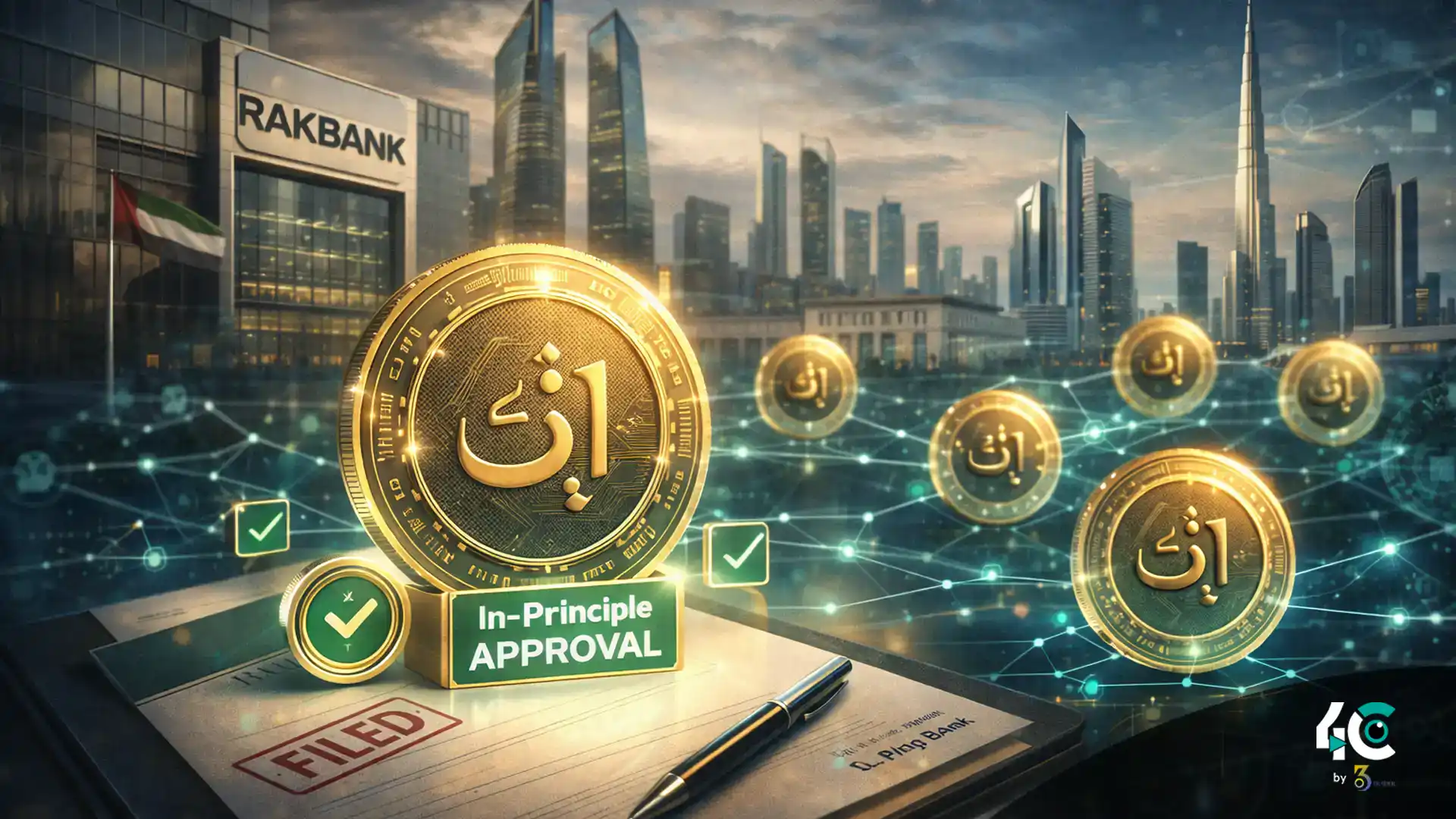
RAKBank is stepping decisively into the UAE’s fast-growing digital asset economy after securing in-principle approval from the Central Bank of the United Arab Emirates (CBUAE) to issue a dirham-backed stablecoin.
The approval, announced Wednesday, allows RAKBank to proceed with its UAE dirham stablecoin plans once final regulatory, technical, and operational requirements are met. As a bank already licensed and supervised by the CBUAE, RAKBank must now complete these conditions before launching the token publicly.
In a statement shared with Cointelegraph, the bank confirmed the stablecoin will be fully backed 1:1 by UAE dirhams, held in segregated and regulated accounts. The reserves will be supported by audited smart contracts and real-time proof-of-reserves, reinforcing transparency and trust.
RAKBank Group CEO Raheel Ahmed described the approval as a “critical milestone,” emphasizing the bank’s commitment to responsible, regulated innovation rooted in confidence and compliance.
UAE Dirham Stablecoin Strategy Gains Momentum
The RAKBank dirham stablecoin initiative reflects the UAE’s broader push to modernize payments and financial infrastructure through blockchain technology.
The country has built a multi-layered digital asset framework, with oversight shared across the CBUAE, Abu Dhabi Global Market (ADGM), Dubai’s Virtual Assets Regulatory Authority (VARA), and other regulators. Together, these institutions are shaping clear rules for stablecoins, tokenized assets, and virtual asset service providers.
Policymakers see dirham-backed payment tokens as a way to:
- Upgrade domestic payment systems
- Support the digital economy
- Improve cross-border transfers in a remittance-heavy region
Also Read : Hong Kong Advances with Regulatory Licensing for Crypto Dealers and Custodians
Beyond Crypto Startups: Banks and Giants Join the Stablecoin Race
The UAE’s stablecoin landscape is no longer dominated by crypto-native firms alone.
Telecom heavyweight e& (Etisalat) is testing a regulated dirham stablecoin under the AE Coin brand for everyday bill payments. Meanwhile, global issuers such as Circle and Ripple have secured approvals in Abu Dhabi for USDC and RLUSD, targeting institutional finance and regional expansion.
RAKBank’s move signals a growing trend: traditional banks are now entering the stablecoin arena, bringing credibility, balance-sheet strength, and regulatory confidence into the market.
Ras Al Khaimah’s Web3 Ambitions Add Fuel
RAKBank’s home emirate, Ras Al Khaimah, is also positioning itself as a Web3 and digital economy hub.
Through RAK DAO, the emirate has introduced the DARe framework, granting decentralized autonomous organizations (DAOs) formal legal recognition. It has also launched a Builder’s Oasis accelerator, backed by a $2 million fund focused on AI, gaming, and blockchain startups.
This ecosystem could provide fertile ground for real-world use cases of a RAKBank-issued dirham stablecoin.
Key Questions Still Loom Over Adoption
Despite the regulatory momentum, several uncertainties remain. RAKBank has yet to disclose:
- Which blockchain network will power the stablecoin
- How interoperable it will be with global stablecoin rails
- How federal and free-zone regulations will align for onchain settlement
Most importantly, adoption remains the biggest test. While regulators and institutions are laying the groundwork, widespread use will depend on seamless integrations, clear incentives, and practical value for businesses and consumers.
A tokenized future may be approaching—but real-world payments, remittances, and treasury operations will determine whether dirham stablecoins move from promise to everyday reality.