























Quantum Computing and Bitcoin Spark Fresh Fear Over Satoshi’s Coins
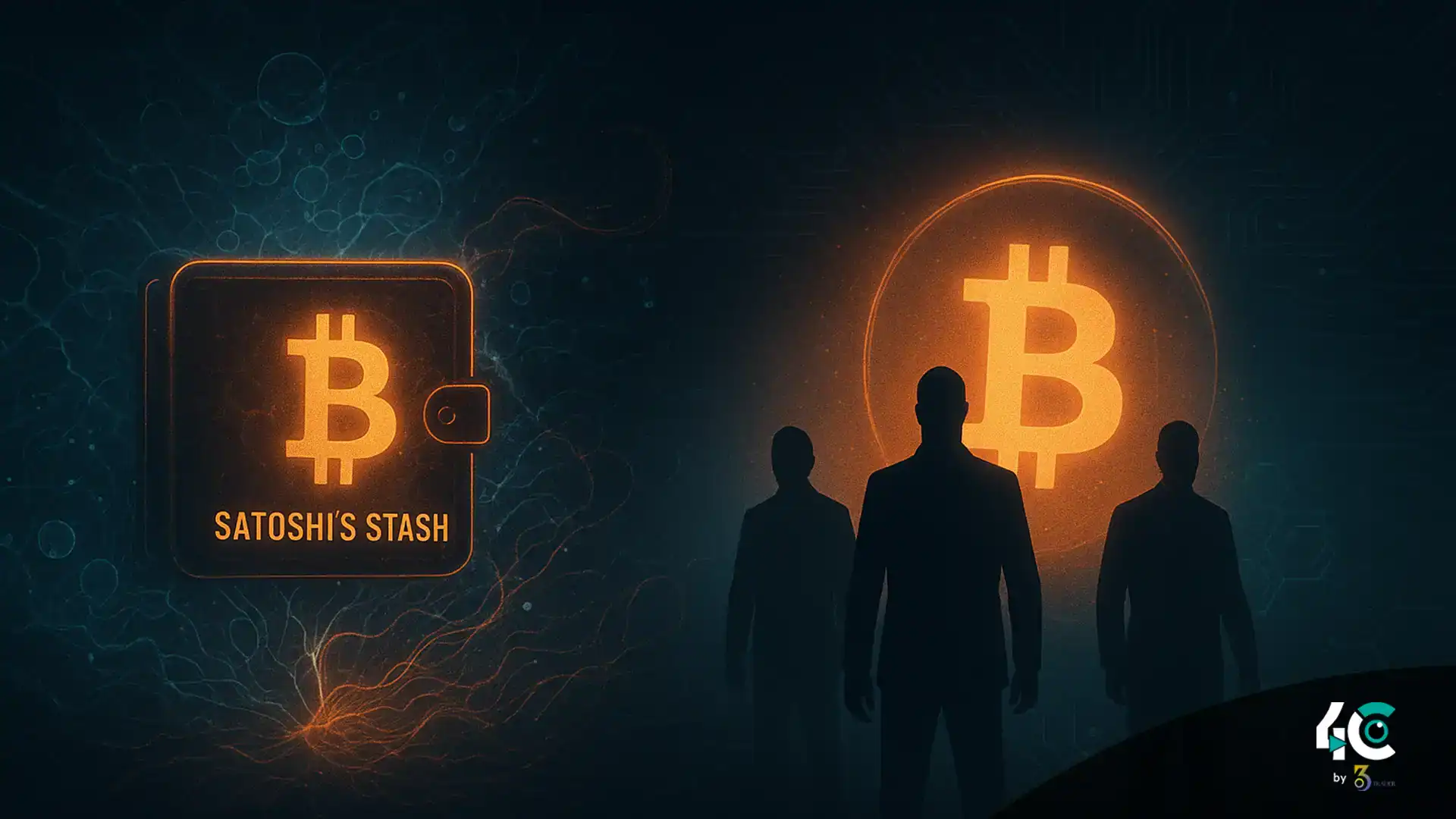
A heated debate swept across cryptocurrency social media over the weekend after speculation resurfaced about quantum computing hacking Bitcoin, specifically targeting Satoshi Nakamoto’s estimated 1 million BTC.
The discussion gained momentum when YouTuber Josh Otten posted a hypothetical chart showing Bitcoin collapsing to $3, arguing that a sufficiently advanced quantum computer could crack Satoshi’s wallets and dump the coins onto the open market.
The scenario reignited long-standing concerns around Bitcoin encryption, cryptography, and quantum computing, forcing the community to confront an uncomfortable question: What happens if quantum tech breaks Bitcoin’s oldest wallets?
Bitcoin OGs Say a Quantum Crash Would Be a Buying Opportunity
Despite the alarming narrative, veteran Bitcoin voices were quick to push back.
Long-time BTC holder Willy Woo dismissed the idea of Bitcoin’s demise, saying that even a dramatic quantum-triggered crash would not destroy the network.
“Many OGs would buy the flash crash. The Bitcoin network would survive; most coins are not immediately vulnerable,” Woo said.
Woo acknowledged that around 4 million BTC sit in older pay-to-public-key (P2PK) addresses—including Satoshi’s—where the full public key is visible on-chain, making them theoretically more vulnerable to quantum attacks.
Also Read : Amid Bank Ownership Dispute, South Korea Stablecoin Bill Deadline Looms
Why Older Bitcoin Wallets Face Greater Quantum Risk
How Quantum Computing Could Target Early BTC Addresses
In early Bitcoin design, spending from a P2PK address exposes the full public key on-chain. In a future where quantum computers become powerful enough, this could allow attackers to derive private keys from public keys, potentially unlocking dormant wallets.
However, modern Bitcoin addresses use upgraded cryptographic structures that do not reveal full public keys, significantly reducing exposure to quantum threats.
In short:
- Old wallets = higher theoretical risk
- New wallets = quantum-resistant by design
Is Quantum Computing an Existential Threat to Bitcoin?
The broader crypto community remains divided. Some argue that quantum computing will kill Bitcoin, while others believe the concern is overblown.
Adam Back: Quantum Threat Is Decades Away
Bitcoin pioneer Adam Back, co-founder of Blockstream and a leading cypherpunk, believes fears are premature.
“Bitcoin is not facing a quantum threat for at least the next 20 to 40 years,” Back said.
He noted that post-quantum cryptography already exists and can be adopted well before quantum computers become powerful enough to break today’s encryption standards.
Market Risk, Not Technology, Is the Real Concern
Market analyst James Check echoed Back’s technical confidence, saying Bitcoin users will migrate to quantum-resistant addresses long before the threat becomes real.
However, Check warned that market psychology could be the bigger danger.
“There’s no chance the Bitcoin community would agree to freeze Satoshi’s coins before a quantum event,” he said.
If Satoshi’s BTC were suddenly moved—even without a full dump—the shock alone could cause extreme market volatility, regardless of Bitcoin’s technical resilience.
Final Take: Bitcoin Survives, Even in a Quantum Future
While the idea of quantum computing hacking Bitcoin sounds dramatic, experts agree that the network itself is not on the brink of collapse. The technology has time to evolve, and the community has options.
If anything, a quantum-driven scare may test Bitcoin’s price—but not its survival.
For many Bitcoin OGs, even the most extreme scenario leads to one conclusion: panic for some, opportunity for others.