


















Philippines Bars Crypto Exchanges in Large-Scale Regulatory Weigh-In
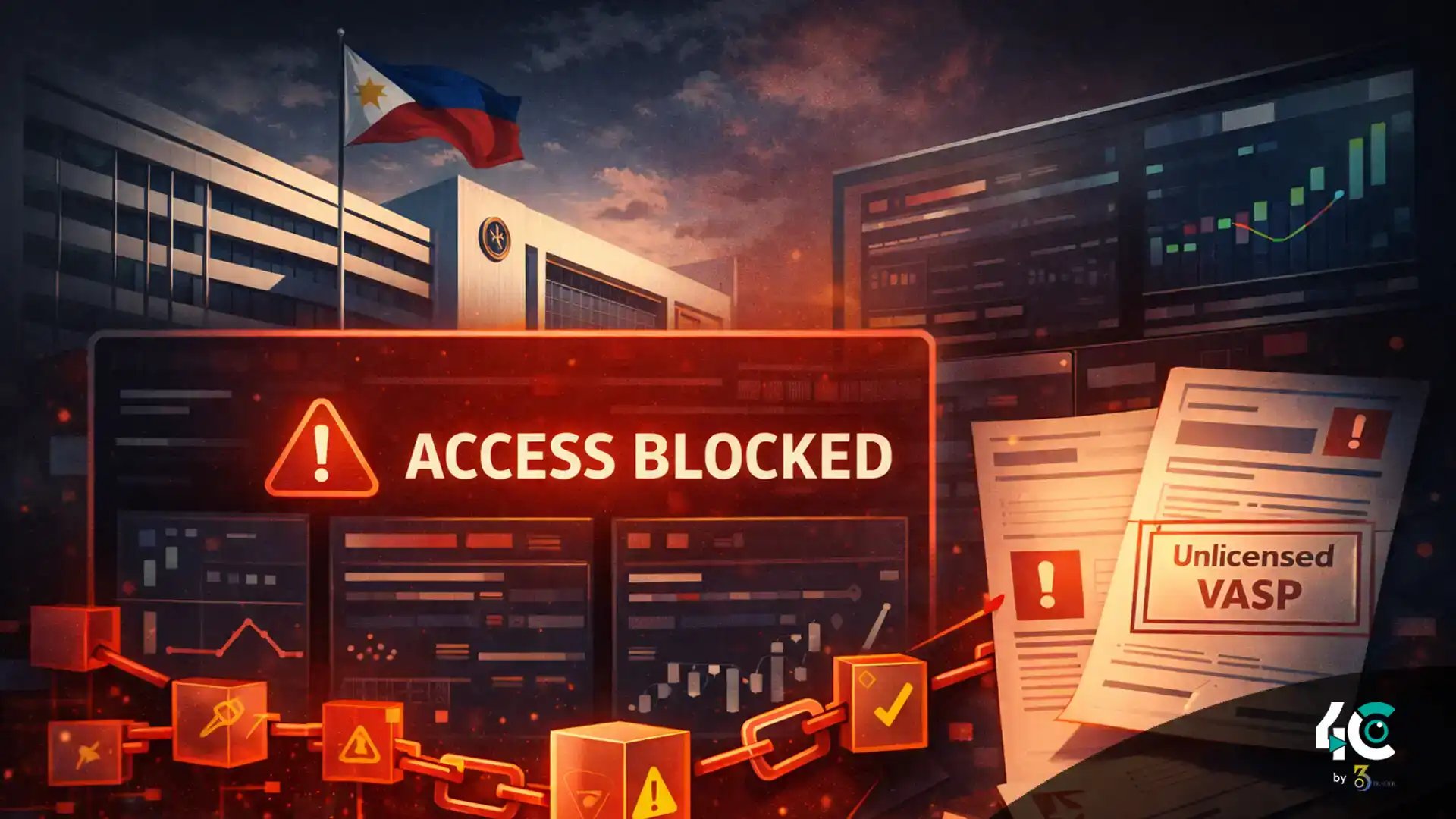
The Philippines shuts down cryptocurrency exchanges in a game-changing development for the country’s digital asset industry and market. Global trading platforms Coinbase and Gemini have gone offline for users across the country after local internet service providers (ISPs) began enforcing government orders.
Filipino users reported outages when accessing both cryptocurrency exchanges on Tuesday. Coinbase and Gemini were unreachable from multiple ISPs, with independent checks confirming the scale of enforcement.
NTC Orders ISPs to Block Unlicensed Crypto Platforms
In compliance with orders from the National Telecommunications Commission (NTC), ISPs have been instructed to block dozens of online trading platforms. The NTC issued the directive following warnings from the Bangko Sentral ng Pilipinas (BSP) that these platforms are not authorized to operate and are therefore illegal.
According to reports, at least 50 unlicensed platforms were flagged by authorities, although the full list of affected brands remains unpublished.
This move signals a clear policy shift. While crypto activity was previously tolerated, local licensing is now a mandatory requirement to operate in the Philippine market.
Also Read : Australia Ignites Stablecoin Prosperity: Major ASIC Exemptions to Unleash Digital Asset Innovation
Coinbase and Gemini Added to the Growing Ban List
The Philippines has banned crypto exchanges Coinbase and Gemini, adding them to its expanding list of non-compliant digital asset service providers.
Precedent Set by Former Enforcement Against Binance
The country has taken similar enforcement actions in the past. In late 2023, regulators issued a compliance notice granting Binance a 90-day window to comply with local rules. Filipino users were advised to withdraw funds during this period.
On March 25, 2024, the NTC formally ordered ISPs to block Binance. Shortly afterward, the Securities and Exchange Commission (SEC) Philippines requested Apple and Google to remove Binance’s app from their respective app stores.
Following the full implementation of the ban, the SEC stated it could not assist users in recovering any remaining funds.
The SEC has since strengthened enforcement of existing laws governing domestic and international exchanges under the Securities Act of 1933.
Restrictions Increase, but Licensed Crypto Use Boosts
While the Philippines bans crypto exchanges for regulatory violations, licensed platforms are rapidly expanding compliant offerings within the regulated framework.
Approved Platforms Advance With Real-Life Applications
PDAX, a crypto exchange regulated by the BSP, signed an agreement with payroll service Toku in November. The partnership allows remote workers to receive wages via stablecoins, enabling faster peso conversion without wire fees or delays.
Digital bank GoTyme launched crypto trading features in December through a partnership with U.S. fintech firm Alpaca. The service allows users to buy and store 11 digital assets directly within a banking app.
This progress highlights that regulation is not stifling innovation but redirecting it toward licensed platforms that prioritize consumer protection.
How the Philippines Could Be Affected by the Crypto Crackdown
As part of broader digital modernization efforts, the Philippines is blocking crypto exchanges amid rapid digital asset growth and regulatory gaps. The message to users is clear: only regulated platforms can operate long-term in the Philippine market.
From a business perspective, the clampdown reflects the maturation of crypto regulation—favoring compliance over unchecked expansion.
As regulations tighten, the future of crypto in the Philippines is becoming clearer: licensed, regulated, and increasingly integrated into the financial system.