






















North Korean Zoom Scam Expands Significantly in Crypto Sphere
The nonprofit Security Alliance (SEAL) has revealed that North Korea’s hackers are running fake Zoom scam attempts every day. Various crypto users, developers, and executives are getting targeted.
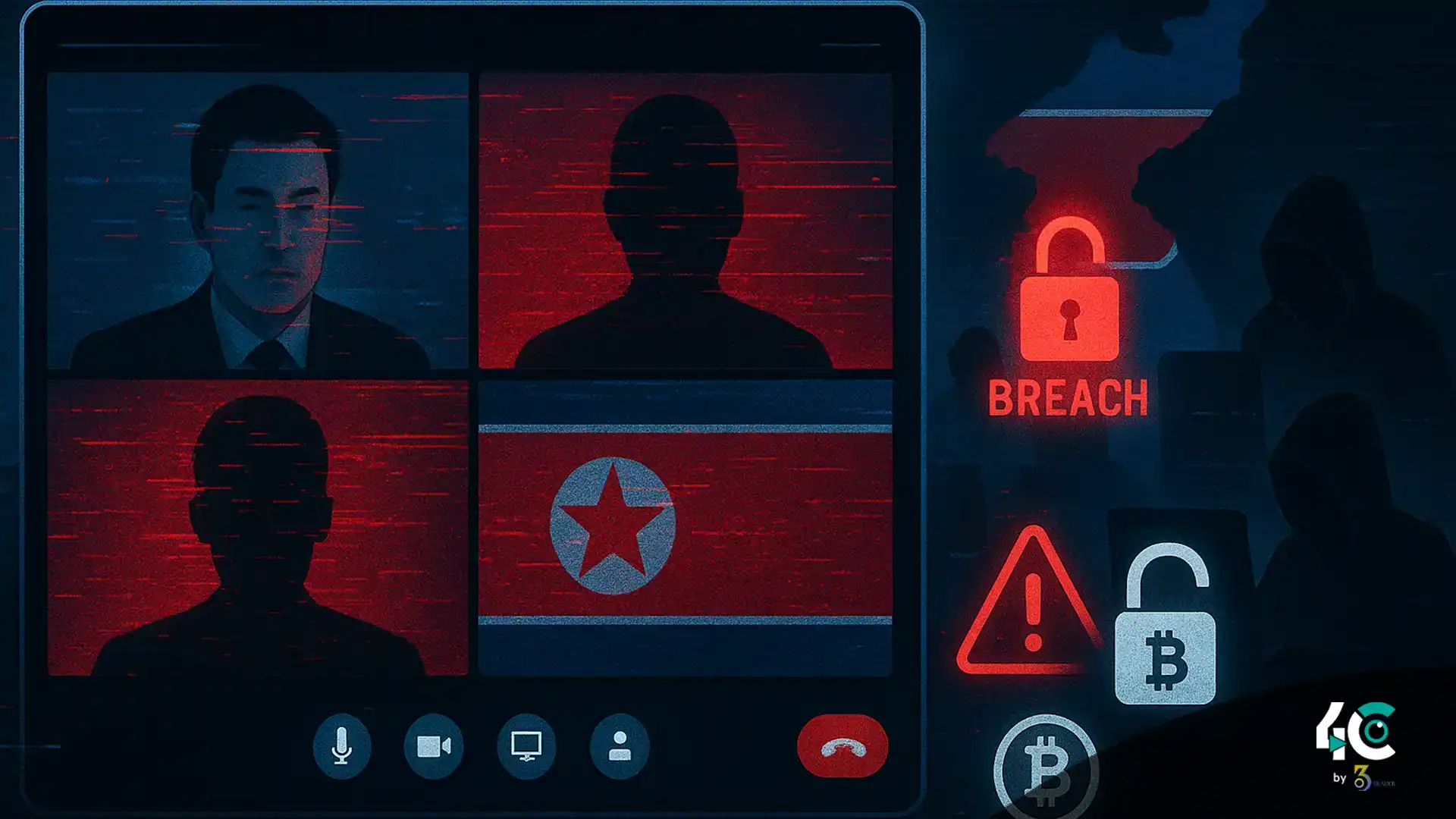
Attackers impersonate trusted contacts and lure victims into what they believe is a normal Zoom call. The call becomes a way for hackers to install malware which in turn gives access to private keys, passwords, crypto wallets, and corporate IT systems.
According to security analyst Taylor Monahan, the campaign has already caused losses of greater than $300 million, making it one of the most harmful social engineering attacks now facing the crypto industry.
The Operation of the Fake Zoom Crypto Scam
People You Know, Real Faces & a Dangerous Trap
As Monahan explains, the fraud usually starts on Telegram, where people get messages from accounts that appear to be someone they already know.
The assaulters then suggest a casual Zoom meeting to “catch up.” Just before the call starts, they send a link that appears legitimate and even shows video footage of real participants.
“I can assure you, these are not deep fakes,” said Monahan. These are genuine recordings captured from past hacks or public sources, such as podcasts.
The North Korean fake Zoom crypto scam works well because of its realism.
Also Read : Japan to Implement Flat 20% Tax on Crypto Profits
The Malware Phase That Steals Everything
When the call starts, the attackers claim issues with audio connection. They then offer a software patch to correct problems or errors.
This file is the snare.
Malicious software is downloaded on the victim’s device as soon as it is opened. The hackers suddenly hang up, saying they will call back later.
By that time, the damage is done.
“Your system has already been hacked,” Monahan said. “They act nonchalant to avoid capture.”
The hackers ultimately empty cryptocurrency wallets, steal passwords, hijack Telegram accounts, gain access to company infrastructure, and then utilize those accounts to con the victim’s contacts next.
If You Clicked a Fake Zoom Link, Here’s What to Do Next
Take immediate action if you suspect you’ve received a suspicious Zoom call or file.
According to Monahan, victims must do the following:
- Turn off the device and disconnect from Wi-Fi
- Transfer crypto to a new wallet using a secure device
- Alter all passwords and activate two-factor authentication
- Fully wipe the system before reusing the infected device
The Importance of Securing Telegram Accounts
Telegram account takeover is one of the most dangerous elements of this scam.
Monahan said that victims should:
- Launch Telegram on a safe device
- Navigate to Settings → Devices
- End all other sessions
- Alter passwords and enable or update multifactor authentication
Once hackers access a Telegram account, they exploit all the contacts stored in it to create their scam network. In this way, the hackers turn victims into tools to target new victims.
Conclusion: Trust Manipulation Is the Real Threat
In conclusion, the threat is a social engineering one that keeps evolving.
The North Korean fake Zoom crypto scam highlights a brutal truth: the biggest threat to crypto users isn’t always code—nor is it necessarily bad code. It is trust manipulation.
Even savvy users may find themselves fooled by cybercriminals who employ real videos, credible accounts, and a calm, business-like demeanor.
With the warning from SEAL, vigilance—not technology alone—remains one of the most powerful defenses in crypto.