

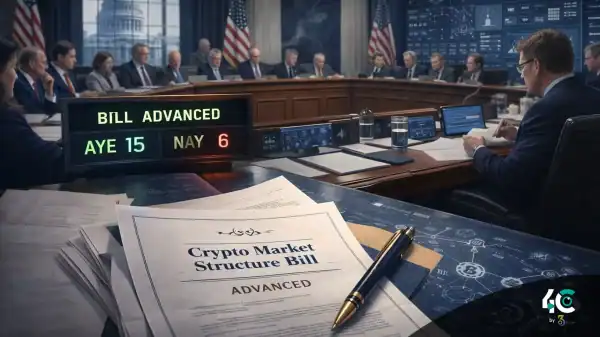
























Kentucky has introduced a new Bitcoin law aimed at strengthening crypto rights and providing legal protection for digital assets and mining activities. This move positions the state as a growing hub for cryptocurrency adoption and regulation.
A bill, introduced by Representative Adam Bowling on 19 February, has passed with overwhelming support and with a unanimous vote by both houses (House and Senate). The law details exact definitions for running nodes and conditionally waives the obligation for crypto miners to obtain a money transmitter license while confirming that mining and staking don’t require permission.
Kentucky’s proactive approach to digital assets follows a nationwide trend in the U.S. Other states have also passed legislation on crypto nodes, with the House having already passed the Oklahoma Strategic Bitcoin Reserve Act. The bill, if fully enacted, would allow Oklahoma to spend up to 10% of excess state reserves on Bitcoin and other digital assets. Simultaneously, Arizona and Missouri are actively reviewing their own Bitcoin reserve bills to gain a competitive advantage.
The approval of Kentucky’s Bitcoin Rights bill signals the state’s excellent intent to encourage growth in the digital asset sector. By making rules that protect digital money users and businesses, Kentucky is creating a path for more investments, job growth, and tech advances through blockchains and digital finance. Other states that are looking to follow suit have a wonderful example to consider in Kentucky’s reassurance-based approach.