






















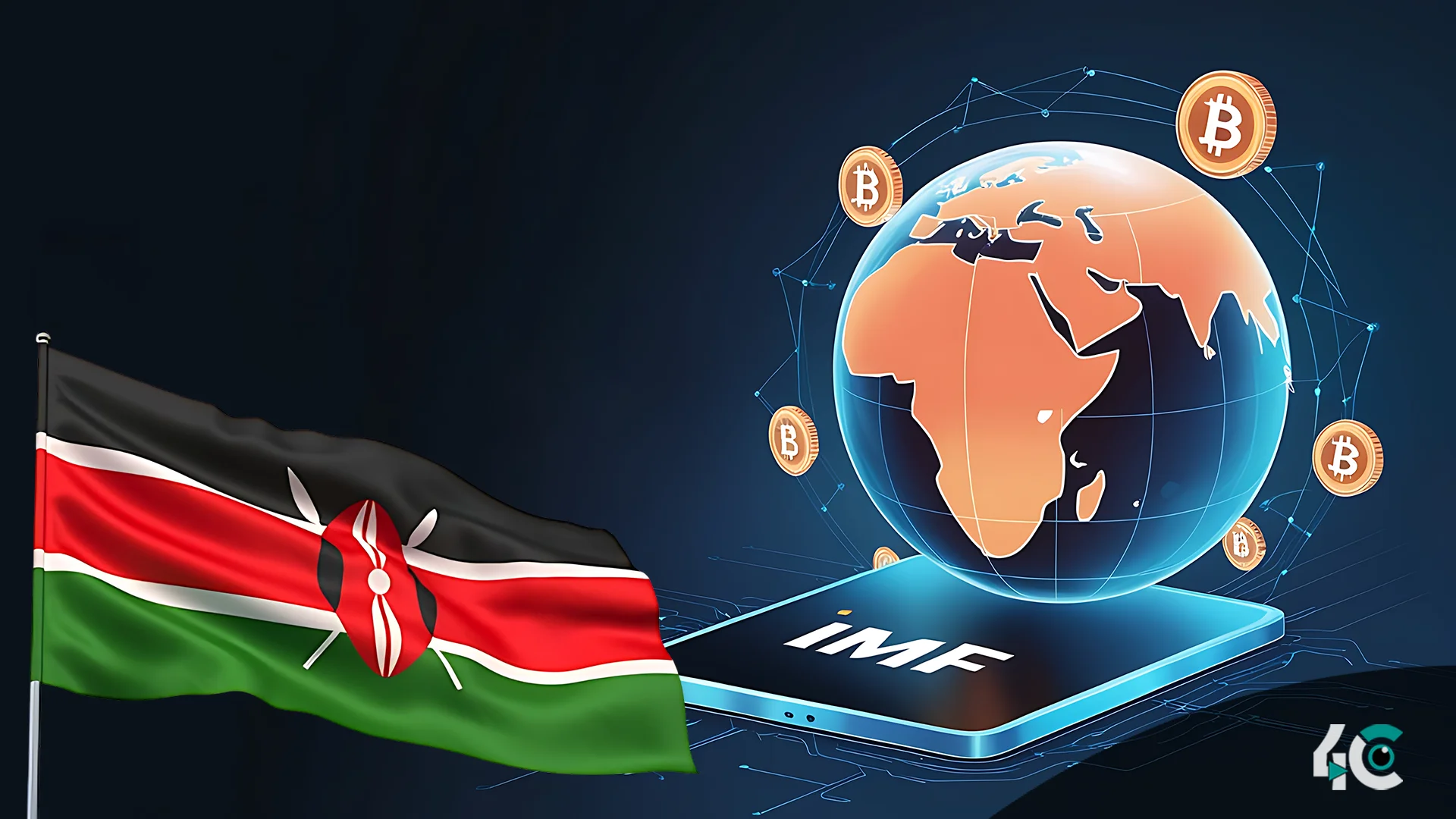

The International Monetary Fund (IMF) has urged Kenya to amend its cryptocurrency legislation to handle growing risks and ensure a stable digital asset market.
In a recent analysis, the IMF stated that Kenya’s current regulations are antiquated and insufficient to oversee the rapidly developing cryptocurrency business. This regulatory loophole has exposed the country to scams, criminal operations, and financial instability.
To address these issues, the IMF advised that Kenya align its cryptocurrency legislation with international norms, such as those set by the Financial Action Task Force (FATF) and the Financial Stability Board (FSB). This agreement intends to strengthen anti-money laundering (AML) procedures, prevent terrorist financing (CFT), and protect consumers.
Short- and Long-Term ActionsThe IMF proposed a range of steps for Kenya to enhance its regulatory structure.
Short-Term Goals (6-12 months): Conduct in-depth market assessments, strengthen communication among regulatory authorities, and clarify the scope of crypto regulations to decrease uncertainty. Long-term objectives (12-24 months) include developing a comprehensive legal and licensing framework, increasing sector monitoring resources, and fully integrating global regulatory standards. The report also urged Kenyan authorities to work with international regulators to mitigate the dangers posed by foreign cryptocurrency exchanges operating in the country.
Promoting Innovation while Maintaining StabilityExperts advised Kenya to foster innovation in the cryptocurrency industry while addressing potential risks. By properly identifying crypto assets under financial regulations and guaranteeing legal consistency, the country may establish a framework that promotes growth while protecting financial stability.
With one of Africa’s largest crypto user bases, Kenya has the ability to lead in digital banking by implementing a proactive and globally aligned regulatory strategy. This transition will protect consumers while simultaneously creating new chances for economic growth.