
























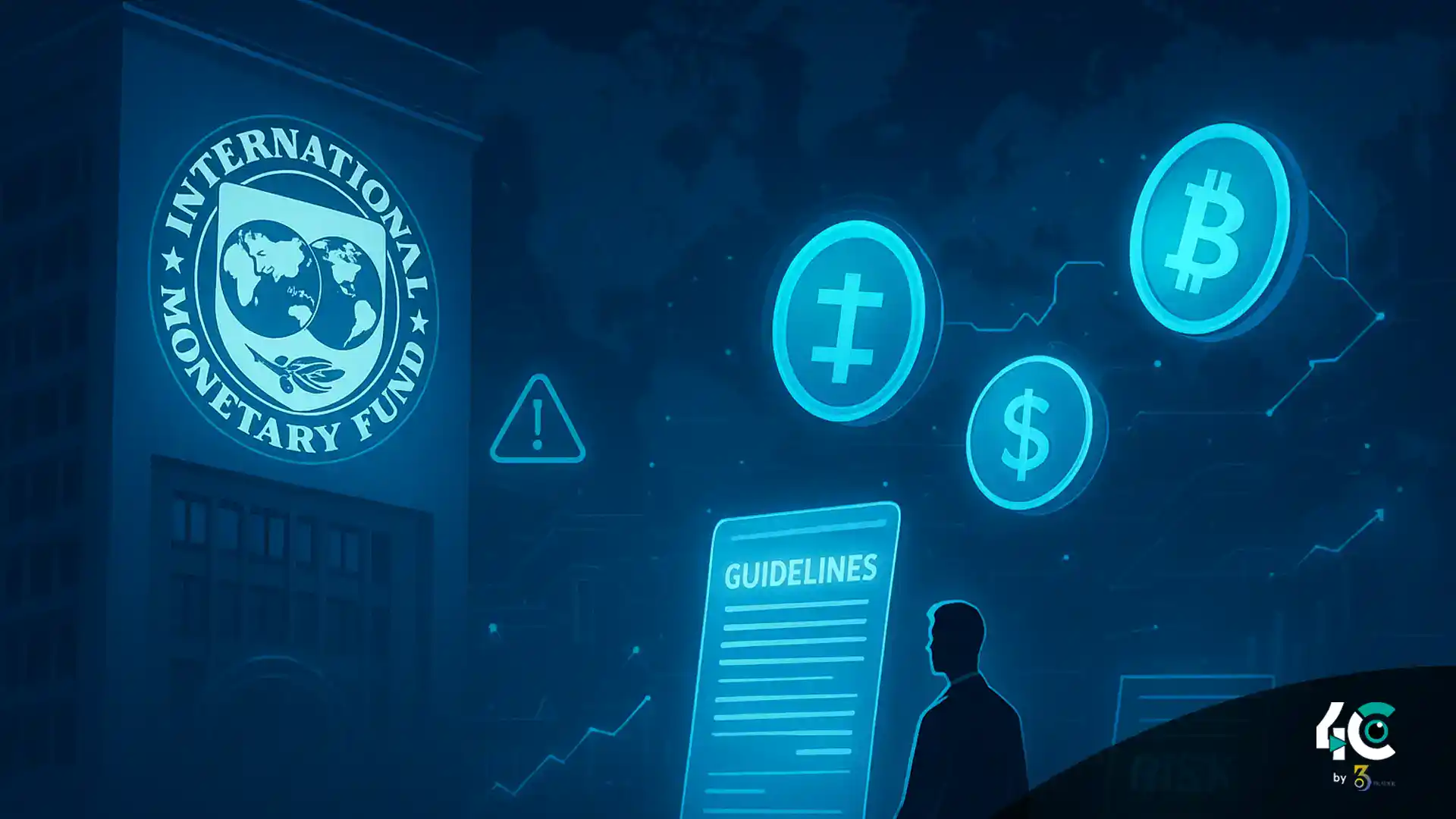

IMF Highlights Risks as Stablecoin Market Surges Beyond $300 Billion
The International Monetary Fund (IMF) has issued a landmark analysis of the rapidly expanding stablecoin market, warning that inconsistent global regulations could pose significant challenges to financial stability.
In its report, “Understanding Stablecoins,” released Thursday, the IMF evaluated how major economies — including the United States, United Kingdom, Japan, and the European Union — are approaching regulation of these digital assets. While emerging rules may help reduce certain risks, the IMF stressed that the global framework remains fragmented, leaving gaps in oversight and coordination.
“The proliferation of new stablecoins across blockchains and crypto exchanges raises concerns about inefficiencies due to potential lack of interoperability,” the report stated. “Differences in regulatory treatment and transaction hurdles among countries could further complicate the landscape.”
Stablecoins Backed Mostly by U.S. Treasurys and Deposits
The report examined the composition of the largest stablecoins. Tether USDT and Circle USDC, which dominate the market, are primarily backed by short-term U.S. Treasurys, reverse repo agreements, and bank deposits. Approximately 40% of USDC’s reserves and 75% of USDT’s reserves are held in Treasurys, while Tether also keeps 5% in Bitcoin.
“Although regulation of stablecoins helps authorities address certain risks, strong macroeconomic policies and robust institutions must remain the first line of defense. International coordination is crucial,” the IMF noted.
The global stablecoin market is overwhelmingly dollar-pegged, though a few issuers have denominated coins in other currencies like the euro. As of December, the market is valued at over $300 billion, illustrating the rapid growth and significance of these digital assets.
Also Read : NYSE Greenlights Grayscale Dogecoin & XRP ETFs for Monday Launch
U.S. Moves Toward Regulatory Clarity with GENIUS Act
In the United States, regulatory efforts are accelerating after President Donald Trump signed the GENIUS Act into law in July. The legislation aims to create a comprehensive framework for payment stablecoins, giving regulators a clearer mandate to oversee issuance and operations.
Blockchain security firm CertiK reported that these efforts have started to segment liquidity into separate pools for U.S. and EU stablecoins, potentially reducing cross-border frictions but highlighting the need for coordinated international oversight.
IMF Urges Global Coordination to Safeguard Financial Stability
The IMF’s report emphasizes that fragmented regulation may create cross-border inefficiencies, slow innovation, and increase risks of market disruptions. Policymakers are urged to combine strong domestic rules with international cooperation to maintain stability and ensure stablecoins fulfill their promise as reliable, secure digital payment instruments.
“The combination of robust macro-policies, resilient institutions, and coordinated international regulation is essential to mitigate risks posed by the fast-growing stablecoin market,” the IMF concluded.