





















Revised ArticleBoth the Bank for International Settlements (BIS) and the Financial Stability Board (FSB) have offered ideas on tokenization as the Group of 20 (G20) Finance Ministers and Central Bank Governors get together on October 23 and 24. With Brazil leading the G20 in 2024, there is a fresh emphasis on the ramifications of digital currencies, evocative of India’s need for such conversations last year.
October 22 saw both companies publish studies outlining their viewpoints on tokenization. Despite conducting the research independently, they identified common themes. Despite tokenization being a relatively new concept, the studies highlighted its incomplete understanding and the common hazards already present in conventional banking.
The FSB noted that debates on tokenization would be complicated, as there is no widely agreed definition of it. Their study included a range of topics, including operational vulnerabilities, leverage risks, liquidity problems, and possible mismatched asset maturity. They came to the conclusion that, given its present scope, tokenization does not seriously jeopardize financial stability but admitted that these hazards may change as the use of tokens develops.
Similarly, the BIS cautioned that tokenization also impacts the challenges faced by conventional financial institutions, such as credit, liquidity, and operational hazards. They underlined that tokenization may bring about notable changes in the roles of middlemen and market systems.
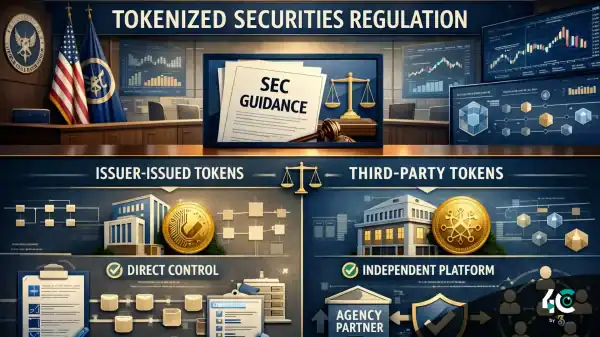
Both companies noted that while tokenization necessitates stringent oversight and regulation, it has the potential to enhance security and efficiency within financial institutions. They pushed central banks to begin thinking about the best way to properly control tokenization.
The FSB, preparing for 2024 regulatory goals, shares India’s support for a comprehensive global regulatory framework for cryptocurrencies. The BIS, in collaboration with various central banks worldwide, is actively involved in multiple tokenizing initiatives through its Innovation Hub.