





















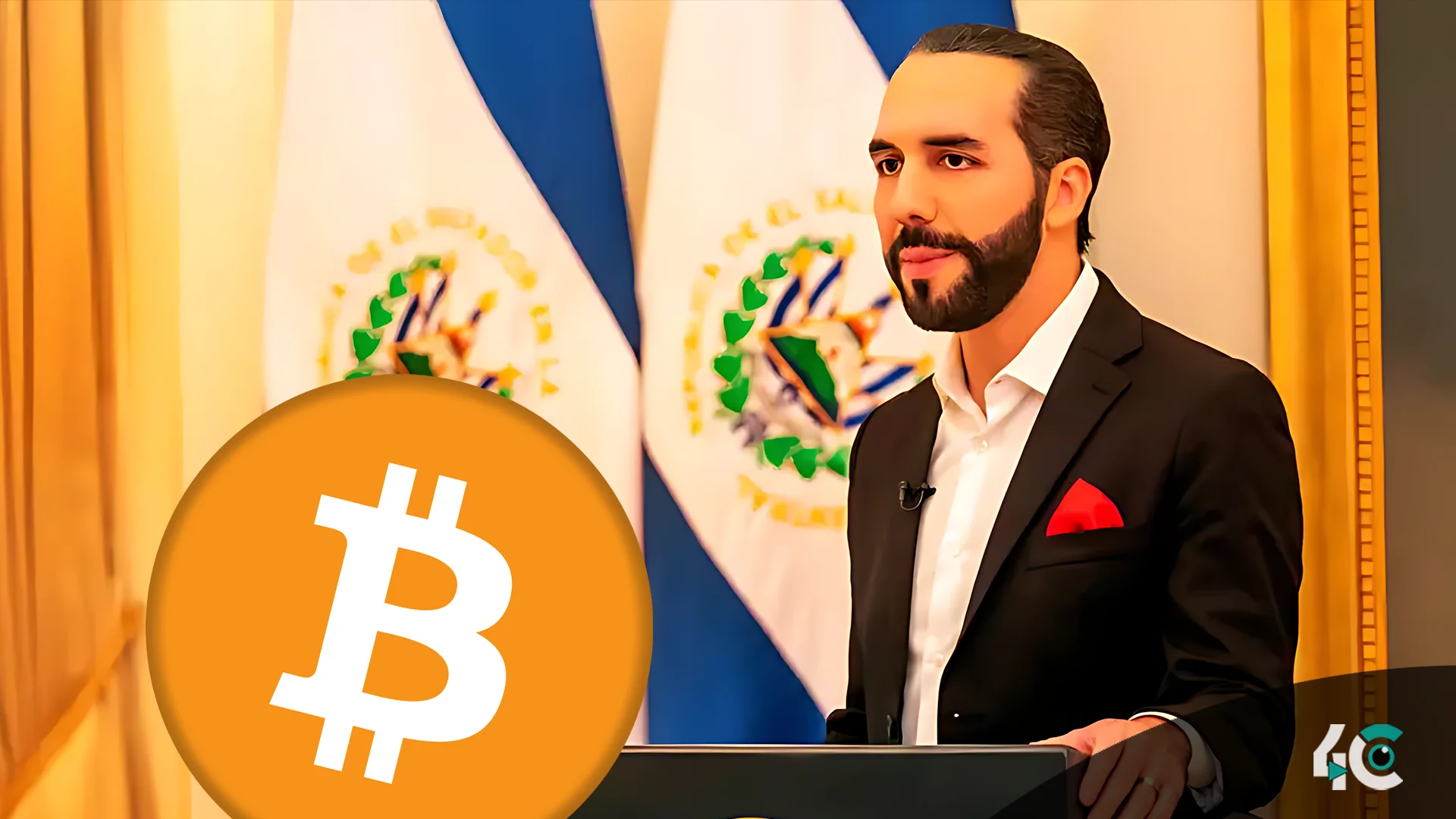

El Salvador revised its Bitcoin regulations following an agreement with the International Monetary Fund (IMF). The nation’s Congress passed the modification shortly after President Nayib Bukele requested it, assuring compliance with the terms of a $1.4 billion loan received in December 2024.
Previously, businesses in El Salvador were obligated by law to accept Bitcoin payments. However, recent changes have made its use completely elective in the private sector. The revisions were passed with a substantial majority of 55 votes in favor and only two against. Government officials claimed that the changes aim to maintain Bitcoin’s status as legal tender while improving its practical application.
Despite reducing some regulations, El Salvador remains committed to Bitcoin. The country has continued to expand its holdings, lately adding additional Bitcoin to its reserves. Government spokespeople have also hinted at a more aggressive accumulation plan in 2025.
El Salvador’s financial markets responded positively to legislative improvements. The country’s dollar-denominated bonds rose sharply, demonstrating investor confidence in the IMF-backed reforms. Analysts believe that receiving the IMF loan will improve El Salvador’s economic prospects and financial stability.
While Bitcoin adoption in the country has been varied, El Salvador’s administration continues to promote its importance in the financial sector. The government has also announced intentions to gradually phase out the Chivo wallet, a state-backed cryptocurrency platform, and to stop accepting Bitcoin for tax payments.
El Salvador has under attention from global financial institutions since becoming the first country to make Bitcoin legal tender in 2021. The IMF had previously raised concern about the possible economic and legal dangers related with the country’s Bitcoin-focused budgetary policies. However, the most recent amendments reflect a shift toward a more balanced strategy that adheres to international financial standards while preserving the cryptocurrency’s legal standing.
As El Salvador implements these changes, its long-term Bitcoin policy remains a focus for both fans and opponents. It remains to be seen if the country’s sustained investment in Bitcoin will deliver long-term economic benefits, but for the time being, the government is committed to striking a balance between innovation and financial stability.