




















IMF Confirms Negotiations to Sell El Salvador’s Chivo Wallet
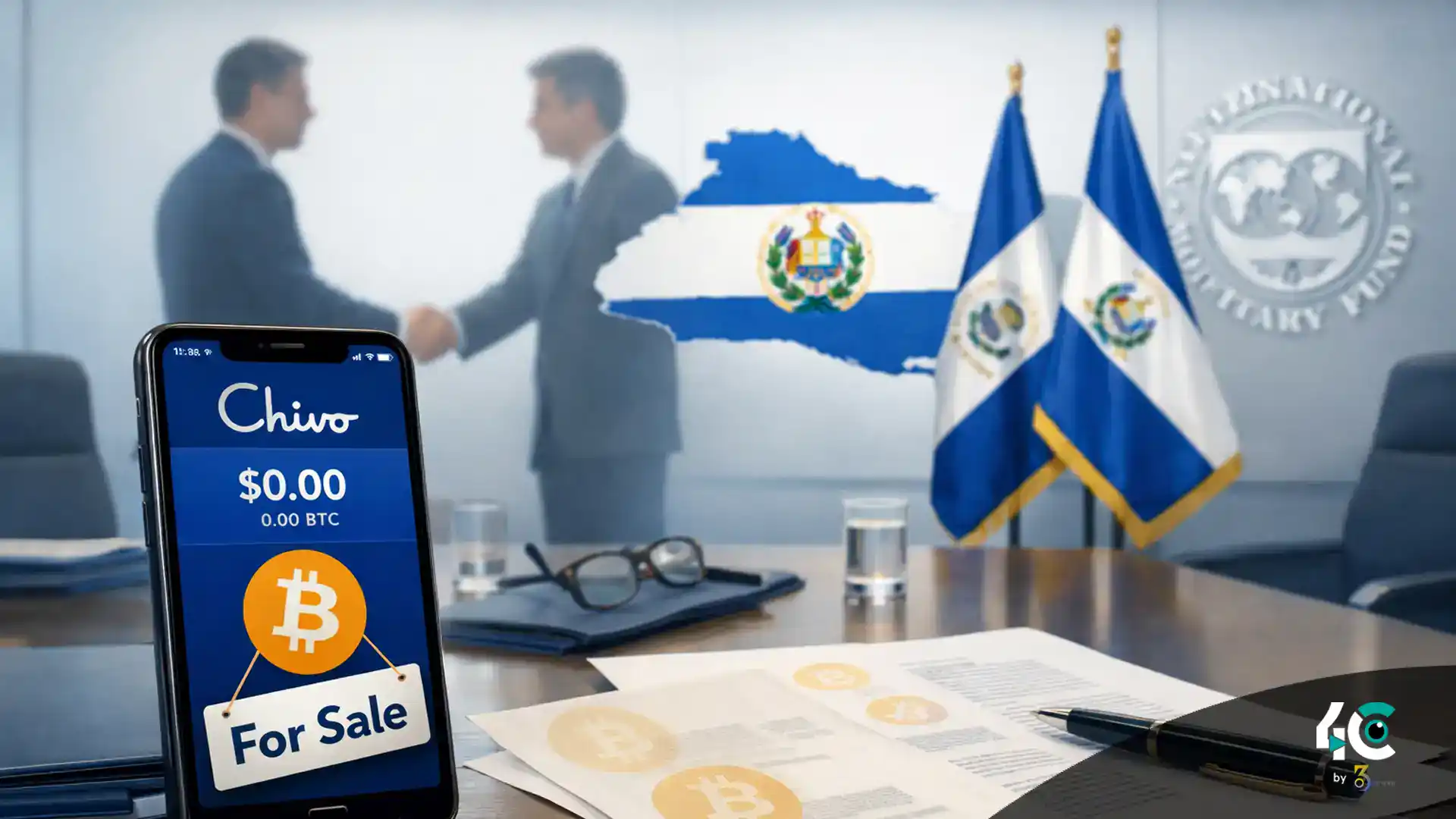
The International Monetary Fund (IMF) confirmed that El Salvador is negotiating the sale of its government-backed Chivo wallet. According to the IMF’s statement on Monday, discussions with the Chivo wallet authorities of El Salvador are “well advanced”, while talks concerning Bitcoin purchases are ongoing.
The deal announced in May 2024 involved the IMF pledging $120 million under a loan of $1.4 billion to El Salvador. As part of the agreement, the government would limit further Bitcoin purchases.
Questions Arise Over Continual Bitcoin Purchases
El Salvador continues to buy Bitcoin despite the IMF agreement. In November 2024, the government reportedly acquired 1,090 BTC valued at approximately $100 million, contradicting reports that the last purchase was in December 2024.
According to the original IMF-El Salvador deal:
- Bitcoin engagement should be limited to public sector activity.
- Private sector adoption remains voluntary.
- Chivo should gradually wind down operations.
Also Read : UAE Telecom Giant etislat Tests Dirham-Pegged Stablecoin
El Salvador’s Bitcoin Strategy Continues
President Nayib Bukele remains committed to the country’s Bitcoin strategy. In March, he confirmed the government will continue buying at least one Bitcoin per day, despite ongoing negotiations with the IMF.
As of Monday, El Salvador holds 7,509 BTC, approximately worth $659 million.
The country’s efforts to increase Bitcoin holdings may create tension between El Salvador’s crypto operations and the stipulations outlined in its IMF agreement. Negotiations for the sale of Chivo wallet aim to address this.
What’s Coming Next for El Salvador’s Chivo and Bitcoin?
The IMF spokesperson did not provide details on the negotiations. Nevertheless, the sale of the Chivo wallet is seen as a key measure to align El Salvador’s crypto operations with international financial oversight while maintaining the country’s Bitcoin investment strategy.
El Salvador’s dual strategy—buying Bitcoin and negotiating regulatory compliance—is drawing global attention.