




















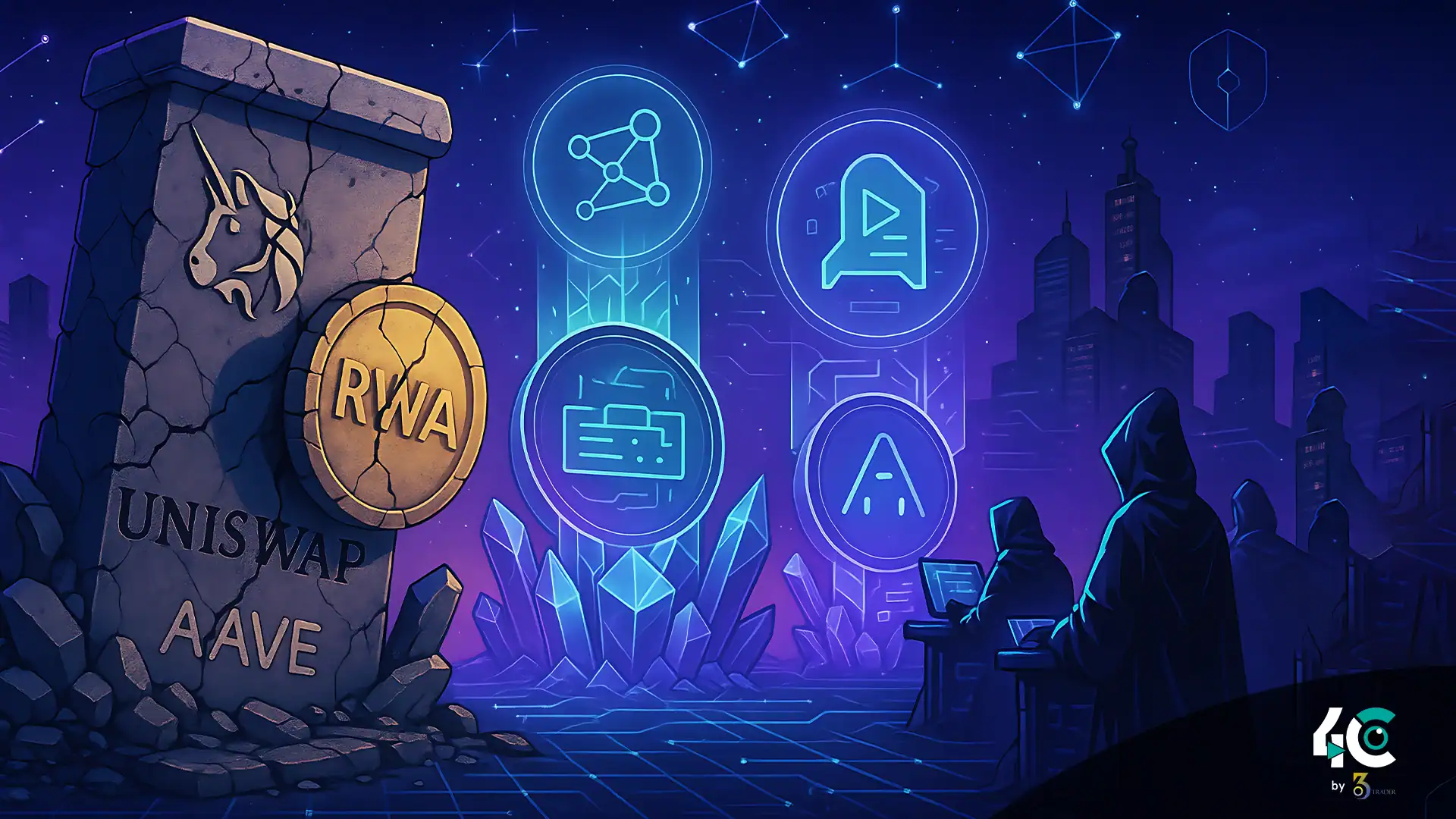

The DeFi Revolution Isn’t Over—It’s Just Getting Started
The first wave of decentralized finance was dominated by protocols such as Uniswap and Aave. Now, DeFi 3.0 is emerging—faster, smarter, cheaper, and modular. These new protocols are transforming DeFi infrastructure by utilizing intent-based trading, AI optimization, and native cross-chain interoperability.
1. Why Uniswap & Aave Are Becoming Obsolete
Uniswap’s Weaknesses
- High Ethereum gas fees
- Fragmented liquidity across multiple chains
- Front-running and MEV exploitation risks
Aave’s Challenges
- Slow protocol upgrades due to governance
- Limited cross-chain support
- Requires overcollateralization for lending
2. The 5 DeFi 3.0 Protocols Likely to Take Their Place
A dynamic liquidity model that auto-adjusts pricing based on user activity.
Why It Wins: Up to 70% less slippage than Uniswap and better capital efficiency.
2. Flash Trade – Intent-Based DEX
Users submit “what they want” instead of “how to get it.”
Why It Wins: Reduces MEV risks and simplifies trading logic for users.
Enable omnichain lending with native cross-chain operations—no need for bridges.
Why It Wins: Aave’s multichain lending looks outdated compared to this.
4. EigenLayer – Restaking for Yield
Allows staked Ethereum (ETH) to secure multiple protocols.
Why It Wins: Turns Aave into a yield layer, not just a passive lender.
Combines spot and derivatives into one automated market maker (AMM).
Why It Wins: Maximizes capital efficiency and outperforms Uniswap v3 in liquidity concentration.
3. What This Means for Investors
- Many DeFi 3.0 tokens are still undervalued
- Makes Ethereum cheaper and more usable
- Offers MEV-resistant platforms for retail traders
Risks to Watch
- Regulatory challenges (new models = more scrutiny)
- Smart contract vulnerabilities (new code, new bugs)
- Adoption hurdles (liquidity migration is complex)
4. How to Position Yourself
- Allocate into DeFi 3.0 blue chips like Maverick and EigenLayer
- Monitor intent-based protocols like Flash Trade and Anoma
- Bet on omnichain infrastructure like LayerZero and Wormhole
Conclusion
DeFi 3.0 is not just an upgrade—it’s a total rewrite of decentralized finance. The protocols leading this cycle will make Uniswap and Aave look like the MySpace of crypto. The race is on, and early investors in these projects could capture the next wave of massive DeFi returns.