




















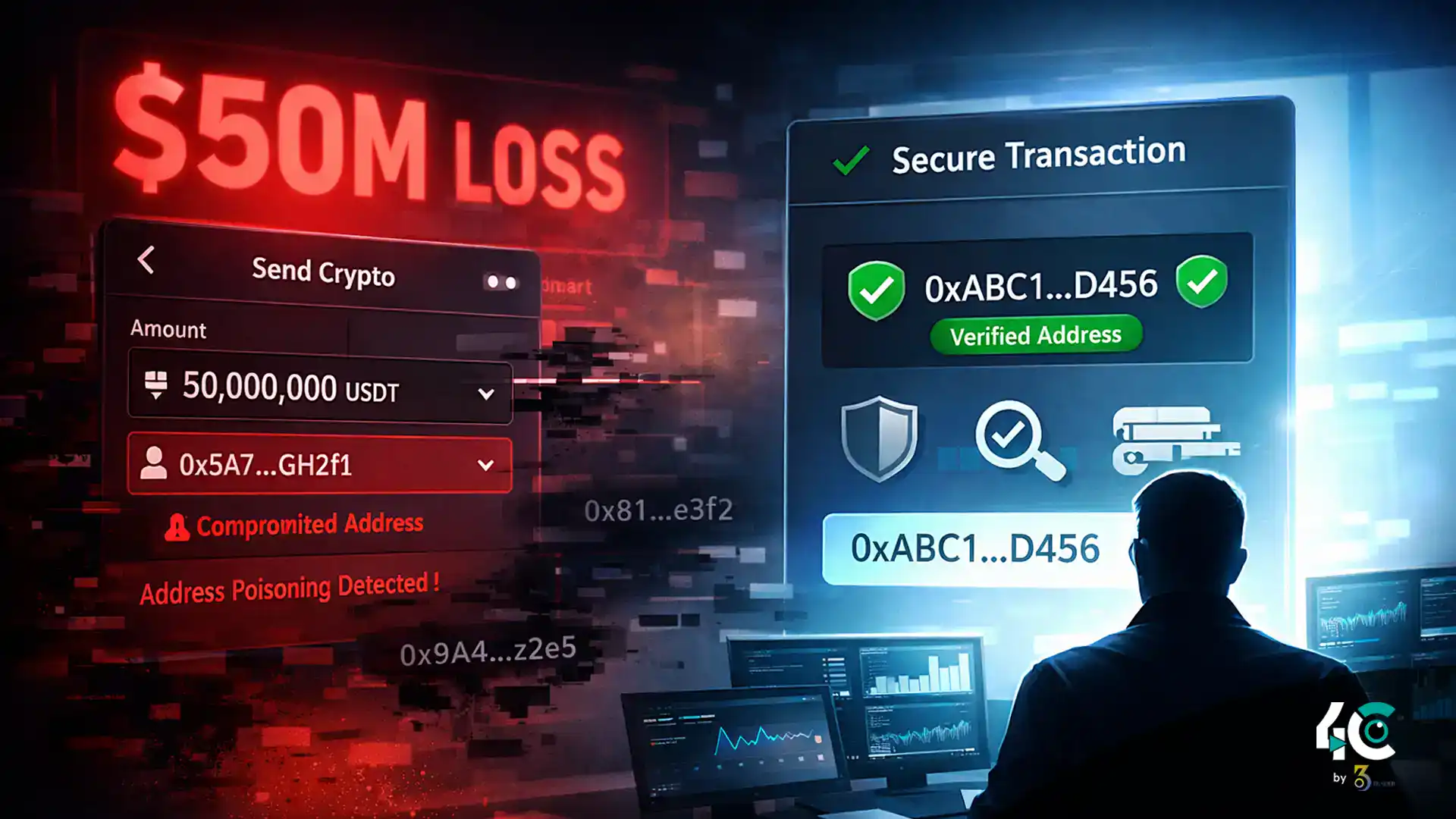

Address Poisoning Takes Center Stage as CZ Calls for Stronger Wallet Defenses
Address poisoning has become a silent but devastating threat in crypto — and Binance co-founder Changpeng Zhao (CZ) wants it eliminated at the wallet level.
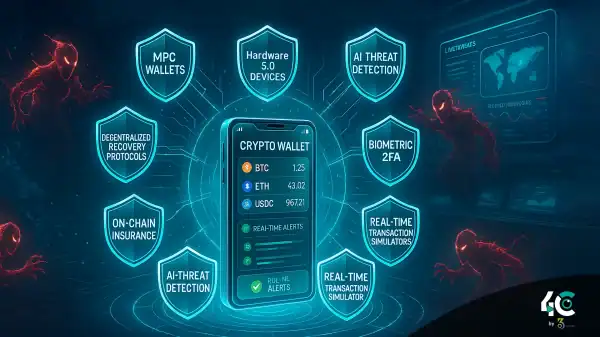
In a Wednesday blog post, Zhao outlined a series of security upgrades he believes crypto wallets must adopt to protect users from increasingly sophisticated phishing attacks. His proposal centers on one idea: stop poisoned addresses before users can interact with them at all.
“All wallets should simply check if a receiving address is a poison address and block the user,” Zhao wrote, noting that this can be done through on-chain blockchain queries. “This is not a complex problem — it’s a solvable one.”
What Is Address Poisoning and Why It’s So Dangerous
How Address Poisoning Scams Trick Users
Address poisoning is a phishing tactic where scammers send victims small, meaningless cryptocurrency transactions. These spam transfers plant a malicious wallet address into the victim’s transaction history.
When users later copy and paste an address from their wallet history — a common habit — they may unknowingly send funds to the attacker instead of the intended recipient.
The method is simple, subtle, and brutally effective.
According to Scam Sniffer, phishing attacks drained over $7.7 million from 6,344 victims in November alone. That figure is expected to spike sharply in December, driven largely by a single $50 million USDT loss caused by an address poisoning scam.
Also Read : North Korean Zoom Crypto Scam Stole Millions as Daily Attacks Hit New Heights
CZ’s Blueprint to Eradicate Address Poisoning
Zhao argues that wallets themselves are the weakest link — and also the fastest solution.
Key Measures Proposed by CZ
- Automatic detection of poisoned addresses using blockchain queries
- Wallet-level warnings and blocking of suspicious recipient addresses
- Blacklists of known poison wallets shared across ecosystems
- Filtering spam transactions so small-value scam transfers never appear in wallet histories
“Wallets should not even display these spam transactions anywhere,” Zhao added. “If the value is small, just filter it out.”
The goal is simple: remove the attacker’s address before the user ever sees it.
Phishing Emerges as Crypto’s Most Costly Scam
Address Poisoning Replaces Older Phishing Tactics
Blockchain security firm CertiK has identified phishing as the most damaging crypto scam of 2024, with losses exceeding $1 billion. While earlier attacks relied on scam-as-a-service drainers and fake approval prompts, address poisoning has surged as a quieter, harder-to-detect threat.
Security firms previously countered phishing by deploying browser warnings and wallet alerts for malicious websites. But address poisoning bypasses those defenses by exploiting user behavior, not smart contract approvals.
Rare Reversals, but Usually No Second Chances
Most victims of address poisoning never recover their funds. However, rare cases highlight how severe the problem has become.
In May 2024, one user lost $71 million to an address poisoning attack — an extraordinary theft that ended with the attacker returning the full amount two weeks later. Investigators reportedly tracked the scammer’s potential IP address, applying intense pressure that led to the reversal.
Such outcomes are exceptions, not the rule.
Binance Develops an “Antidote” to Address Poisoning
To fight back, Binance’s security team has already built what it describes as an “antidote” to address poisoning. The system uses an algorithmic detection model that has identified around 15 million poisoned addresses across multiple blockchains.
The effort underscores a growing industry consensus: address poisoning is no longer a niche scam — it’s a systemic threat.
Why Address Poisoning Could Define the Next Phase of Wallet Security
As crypto adoption grows, attackers are shifting from complex exploits to simple tricks that exploit trust and habit. Address poisoning thrives in that environment.
CZ’s message is clear: the industry can no longer rely solely on user vigilance. Wallets must become proactive defenders, filtering threats before damage is done.
If implemented widely, these measures could mark a turning point — one where address poisoning goes from crypto’s quiet killer to a contained threat.