



















🌐 A Defining Week in Global Crypto
The previous week marks a turning point in the global crypto scene where regulation, corporate adoption, and institutional infrastructure meet to redefine digital finance. Welcome to your weekly deep dive into the forces shaping blockchain, crypto, and tokenized finance.
🇰🇷 South Korea Opens Doors to Corporate Cryptos
According to reports, this marks the first time since 2017 that South Korean corporations may be permitted to invest in cryptocurrencies. The Financial Services Commission (FSC) is working on guidelines projected to be completed in January or February 2026, which may unlock decades of trillions of won into the domestic digital asset market.
The framework is carefully restrictive: only the top twenty cryptocurrencies will qualify, and they will be tradable only through the five largest local exchanges. Market analysts anticipate that this could boost liquidity and enhance legitimacy. Plans to launch a spot Bitcoin ETF and create a national stablecoin may also accelerate.
Local heavyweights such as Naver with almost $18 billion in equity capital could theoretically buy thousands of Bitcoin under these caps—a dramatic signal that South Korea is aiming to spearhead institutional crypto adoption in Asia.
Seoul is creating a new digital asset treasury and investing through corporate crypto and fully backed stablecoins, integrated with CBDC initiatives.
🇺🇸 U.S. Coinbase Sounds Alarm on Crypto Regulations
Across the Pacific, U.S. regulators are taking big actions while the crypto industry pushes back.
The CFTC launched an Innovation Advisory Committee (IAC) to replace its Technology Advisory Committee, advising on blockchain, AI, and more. The panel, chaired by CFTC Chair Mike Selig, includes leaders from Gemini, Crypto.com, Kraken, Nasdaq, and ICE. Its goal: manage U.S. financial innovation while ensuring market safety and international competitiveness.
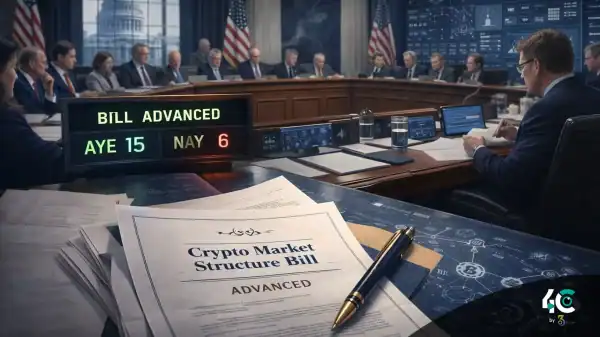
Meanwhile, Coinbase walked back its support for the CLARITY Act, warning that the draft could undermine innovation, reduce growth in DeFi, create privacy risks, and limit stablecoin yields. CEO Brian Armstrong stressed: “No bill is better than a bad bill.”
The contrast is stark: regulators signal support for innovation, while industry leaders caution against laws that could freeze the ecosystem they aim to structure.
💶 SWIFT and MiCA-Compliant Stablecoin Milestone
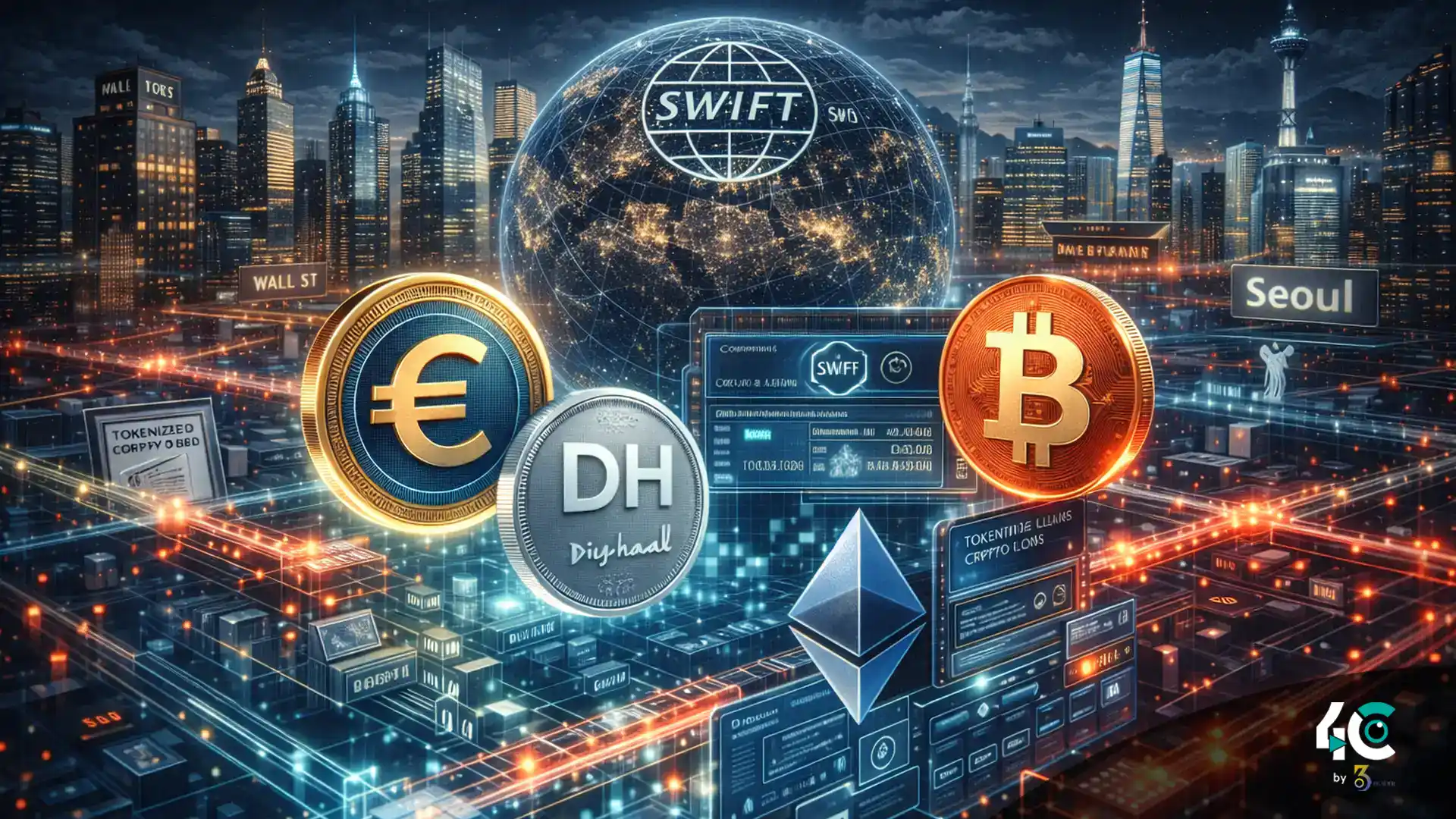
On the infrastructure side, SWIFT and SG-Forge settled tokenized bonds using euro-backed stablecoin EURCV from Société Générale, demonstrating cross-border, compliant, blockchain settlement.
EURCV is the first MiCA-compliant stablecoin on the SWIFT network. This shows traditional banks integrating blockchain assets into existing payment systems.
This milestone highlights the growing convergence of tokenized finance and traditional banking, with real-time settlements, delivery-versus-payment, and smart contract use moving from theory to practice.
📌 Why This Week Matters
In cities like Seoul, Washington, and Brussels, cryptocurrencies are becoming integral to the financial system.
- South Korea opens doors for corporate crypto adoption.
- U.S. regulators are appointing innovation committees while the industry calls for better legislation.
- Coinbase warns of risky regulations that may stifle DeFi and stablecoins.
- SWIFT and SG-Forge advance euro-backed stablecoin adoption.
The intersection of digital assets, banks, and regulators signals a new era. Investors, businesses, and innovators must adapt, evolve, and create, or risk being left behind.
By 2026, crypto will not be optional for global finance—it will be essential.