















Cocoon Decentralized AI Network Launches on TON, Empowering GPU Owners and Advancing Privacy-First AI
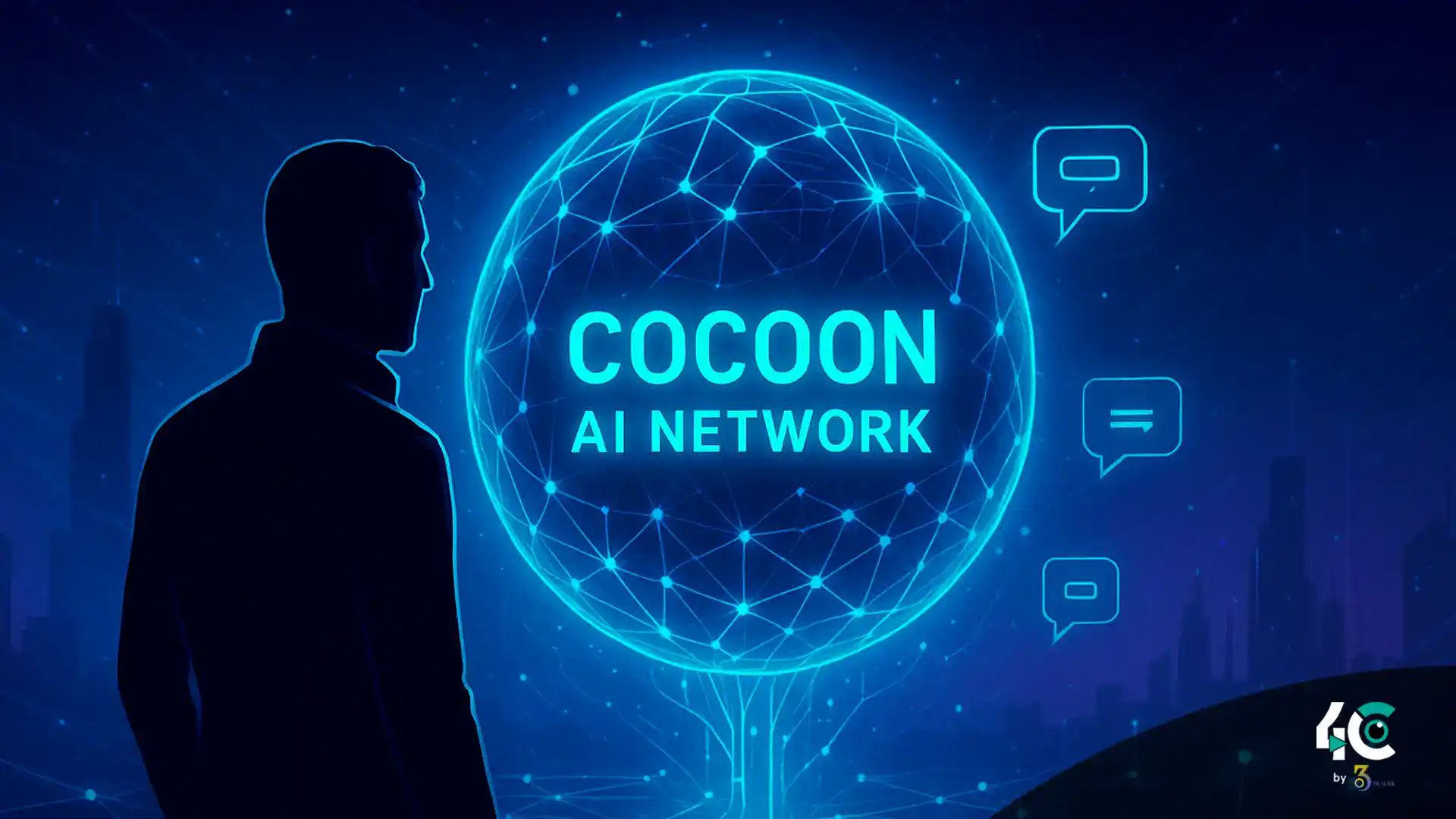
The Cocoon decentralized AI network — a privacy-preserving, distributed computing platform built on The Open Network (TON) — has officially gone live, signaling a major evolution in the push toward decentralized and censorship-resistant AI.
Launched on Sunday, Cocoon allows GPU owners to rent their computing power to process user queries. In return, participants earn Toncoin (TON), the native token of the TON blockchain, creating a new income stream for hardware owners and advancing a decentralized compute marketplace.
According to Telegram co-founder Pavel Durov, the network has already processed its initial user requests, with GPU providers actively earning rewards from their contributed compute.
Durov: Cocoon Fixes the Cost and Privacy Flaws of Centralized AI
Durov emphasized the core issue driving Cocoon’s creation — the dominance of centralized compute giants like Amazon and Microsoft, which he says inflate costs, reduce confidentiality, and limit user control.
“Centralized compute providers such as Amazon and Microsoft act as expensive intermediaries that drive up prices and reduce privacy. Cocoon solves both the economic and confidentiality issues associated with legacy AI compute providers.”
The platform was first unveiled during Durov’s keynote at Blockchain Life 2025 in Dubai, where he highlighted growing demand for AI systems that protect user data and avoid the risks inherent in centralized AI monopolies.
Also Read : White House Moves to Tighten Crypto Tax Rules With Push Toward Global Reporting System
A Rising Demand for Decentralized, Privacy-Preserving AI
For years, blockchain developers, privacy advocates, and cypherpunks have warned that centralized AI poses unprecedented societal risks:
- Massive data centralization
- Surveillance and privacy erosion
- Algorithmic influence and manipulation
- Corporate or political control over public AI tools
Experts such as David Holtzman, CSO at Naoris, argue that decentralized AI — especially models built on blockchain — can counter these threats by offering:
- Tamper-proof records
- Transparent and verifiable data sources
- Trustless communication across distributed nodes
These safeguards enable a more democratic, censorship-resistant AI ecosystem.
Global Momentum: Decentralized AI Gaining Public Support
The push toward decentralized AI is not fringe — it’s gaining mainstream traction.
A May survey by the Digital Currency Group (DCG) found:
- 77% of respondents believe decentralized AI is better for society
- Only a minority prefer centralized AI systems
In 2024, researchers from the Dfinity Foundation and decentralized AI developer Onicai also published a foundational seven-rule framework for ethical AI.
A core principle: AI models should run on permissionless blockchain networks to guarantee transparency and data integrity.
TON Ecosystem Continues Rapid Expansion
TON, the blockchain associated with the Telegram messaging platform, has rapidly grown into one of the world’s most active layer-1 ecosystems.
The launch of Cocoon reinforces TON’s position as a hub for:
- High-performance computing
- Next-gen decentralized applications
- Fast, scalable Web3 infrastructure
Cocoon’s model — turning idle GPUs into income-generating assets — mirrors the early days of crypto mining, but for AI workloads rather than blockchain hashing.
Conclusion: Cocoon Marks a New Era of User-Owned AI
With Cocoon now live, TON is emerging as a leader in decentralized AI infrastructure, directly challenging centralized AI monopolies.
By enabling user-owned compute, privacy-preserving AI queries, and tokenized incentives, Cocoon pushes the industry toward a more open, secure, and fair AI future.
As adoption grows, decentralized AI networks like Cocoon may become the backbone of next-generation computation — where power shifts from corporations to individuals.