























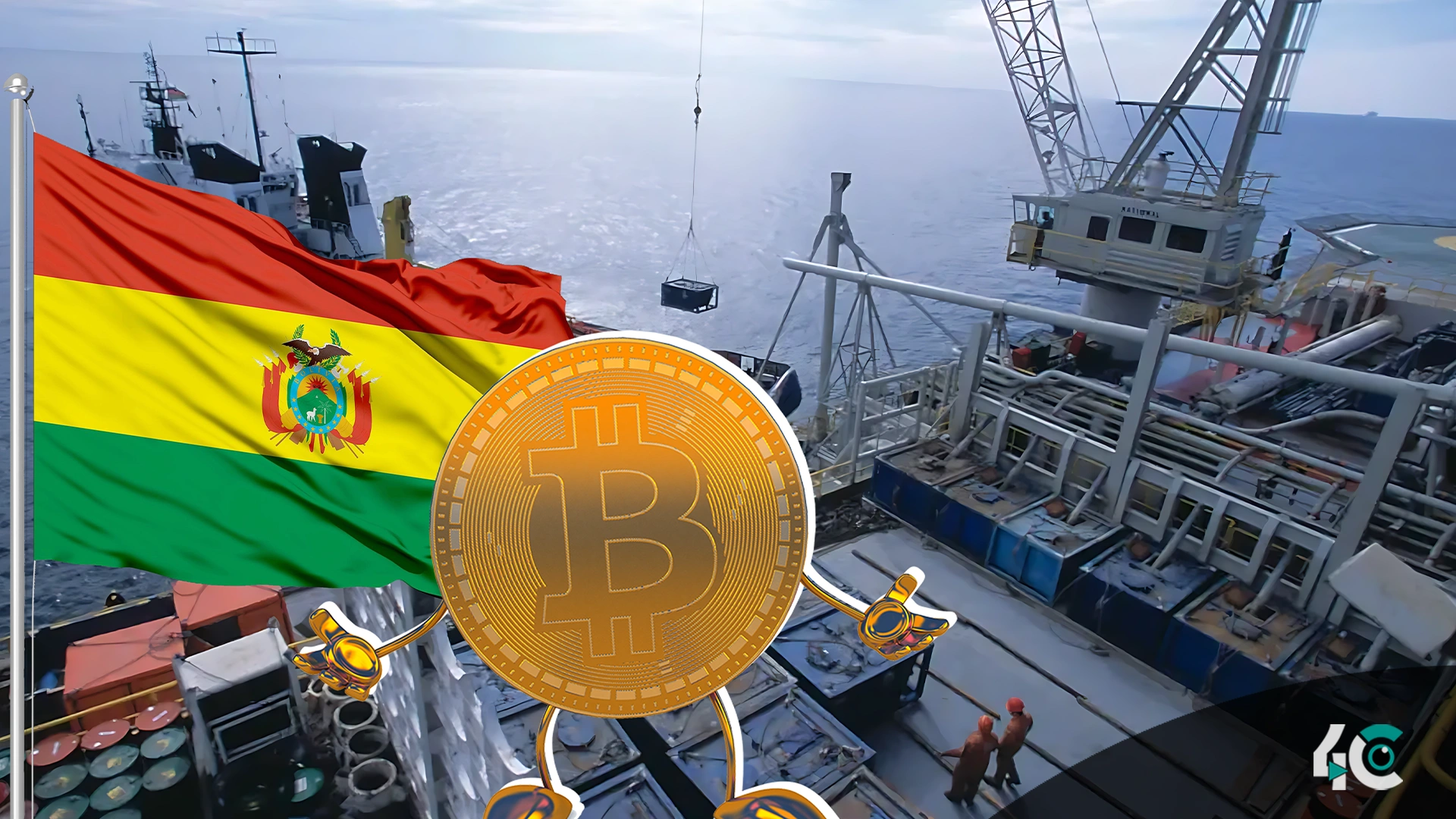

Bolivia is using cryptocurrencies to pay for imported electricity, therefore deviating from its financial plan. The choice comes as the nation struggles with falling domestic gas output and a serious shortfall of foreign currency reserves. A government statement claims that the state-owned energy business Yacimientos Petrolíferos Fiscales Bolivianos (YPFB) has set up a mechanism allowing cryptocurrency transactions for gasoline purchases. Although the corporation hasn’t yet made any payments using this approach, authorities say implementation is only around.
Although the government has not revealed which cryptocurrency would be utilized, stability makes stablecoins—digital assets linked to fiat money—often preferred for international trade. This action underscores Bolivia’s immediate need to guarantee energy resources without depending on conventional financial channels, which have been taxed by currency shortages.
Bolivia’s increasing petroleum situation has caused public discontent and disturbances in the transportation system. According to reports, just over half of the public transportation system in the country is running, and agricultural workers worry that fuel shortages would seriously affect next harvests. Alejandro Gallardo, the minister of energy, admitted these difficulties and linked them to the shortage of foreign reserves required for commerce across borders.
Adoption of cryptocurrencies by YPFB seeks to guarantee a consistent energy supply while relieving the financial load on fuel subsidies. “From now on, these transactions will be executed,” a corporate spokesman stated, therefore indicating a significant change in Bolivia’s economic policy.
Increasing Crypto Acceptance in Bolivia
This action aligns with Bolivia’s recent adoption of digital assets. The nation removed its ten-year ban on bitcoin and cryptocurrencies in 2024, therefore enabling financial institutions to include digital assets in their operations. Since then, acceptance of cryptocurrencies has skyrocketed; virtual asset trading doubles within months. Stablecoins dominated the about $48.6 million worth of crypto assets traded between July and September 2024 alone.
Stablecoins’ growing dependence fits patterns observed in other emerging countries experiencing economic unrest and devaluation of their currencies. Bolivia’s Banco Bisa started a stablecoin custody service in October 2024, allowing citizens to safely buy, trade, and keep digital assets; therefore, it supports crypto use inside the nation.
As Bolivia negotiates its financial difficulties, bitcoin appears to be central in its approach. The country is meeting its immediate fuel demands and integrating itself into the worldwide crypto economy by using digital assets for energy imports, therefore providing a model for other nations with similar economic limitations.